

The Reality of Hair Loss
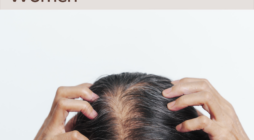
Hair loss is a common issue that affects both men and women. While it is often associated with men, women also experience hair loss, and it can be particularly challenging when the hair loss occurs on the temples. The temples are an essential part of the hairline, and losing hair in this area can have a significant impact on a woman’s self-esteem and ability to style her hair.
In this blog, we will explore the difficulties women face when styling their hair when hair loss occurs on their temples and discuss possible solutions.
Why Hair Recession Happens
Let’s review some underlying causes of hairline recession in women:
Hormonal Imbalances
One of the primary contributors to hairline recession in women is hormonal imbalances. Factors such as pregnancy, childbirth, menopause, or polycystic ovary syndrome (PCOS) can disrupt the delicate hormonal equilibrium, making hair follicles in the temples more susceptible to the effects of androgens. This hormonal sensitivity can lead to hair loss and recession in the temple area.
Genetic Predisposition
Genetics play a significant role in determining hairline patterns and vulnerability to hair loss. Women with a family history of hair loss, particularly in the temples, are more likely to experience similar concerns. Androgenetic alopecia, also known as female pattern hair loss, can gradually recede the hairline over time.
Hairstyles and Hair Care Practices
Certain hairstyles that exert excessive tension on the hairline, such as tight ponytails, braids, weaves, or extensions, can contribute to hairline recession. Additionally, the use of harsh styling products, frequent heat styling, and improper hair care practices can weaken the hair follicles, leading to hair loss in the temples.
Stress and Emotional Factors
Chronic stress, anxiety, or emotional trauma can disrupt the natural hair growth cycle, resulting in hair thinning and recession in the temples. Telogen effluvium, a condition associated with stress-related hair loss, can affect women of all ages.
Medical Conditions and Medications
Certain medical conditions, including thyroid disorders, autoimmune diseases, scalp infections, and nutritional deficiencies, can contribute to hair loss in women, specifically hairline recession in the temples. Additionally, certain medications, such as chemotherapy drugs, anticoagulants, and specific antidepressants, may have hair loss as a side effect.
Solutions for Temporal Hair Loss in Women
Lifestyle Changes
Adopting a healthy lifestyle can contribute to overall hair health. This includes maintaining a balanced diet rich in essential vitamins, minerals, and proteins, managing stress levels through relaxation techniques or therapy, avoiding harsh hairstyles and excessive heat styling, and practicing gentle hair care routines.
Medications and Topical Treatments
For androgenetic alopecia, medications like minoxidil (Rogaine) or spironolactone may be prescribed to stimulate hair growth and slow down further hair loss.
Platelet-Rich Plasma (PRP) Therapy
PRP therapy involves injecting a concentrated solution of platelets derived from your blood into the scalp. This treatment can stimulate hair growth and enhance the thickness and density of hair in the temples.
Exosomes Therapy
Studies have revealed the potential of exosomes in promoting hair growth and combating hair loss. The bioactive molecules present in exosomes may be able to stimulate hair follicle stem cells, enhance cell proliferation, and possibly promote the production of factors that support hair growth.
Hair Transplants for Women
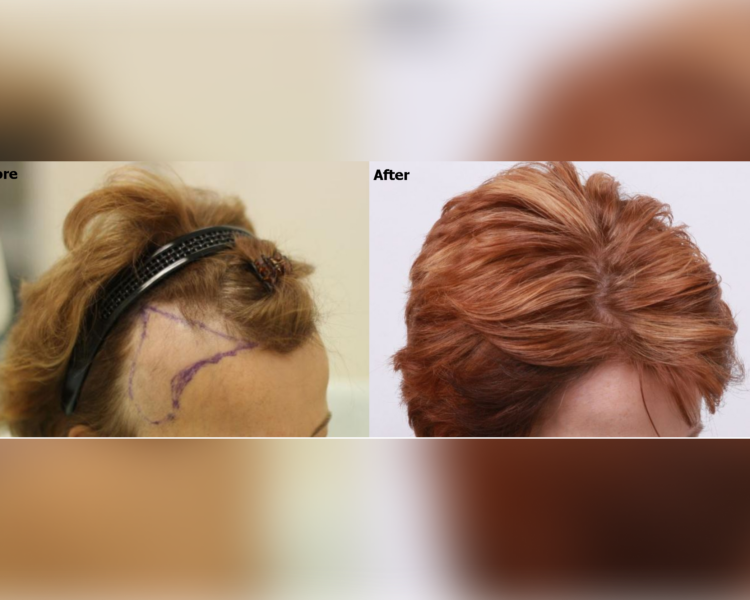
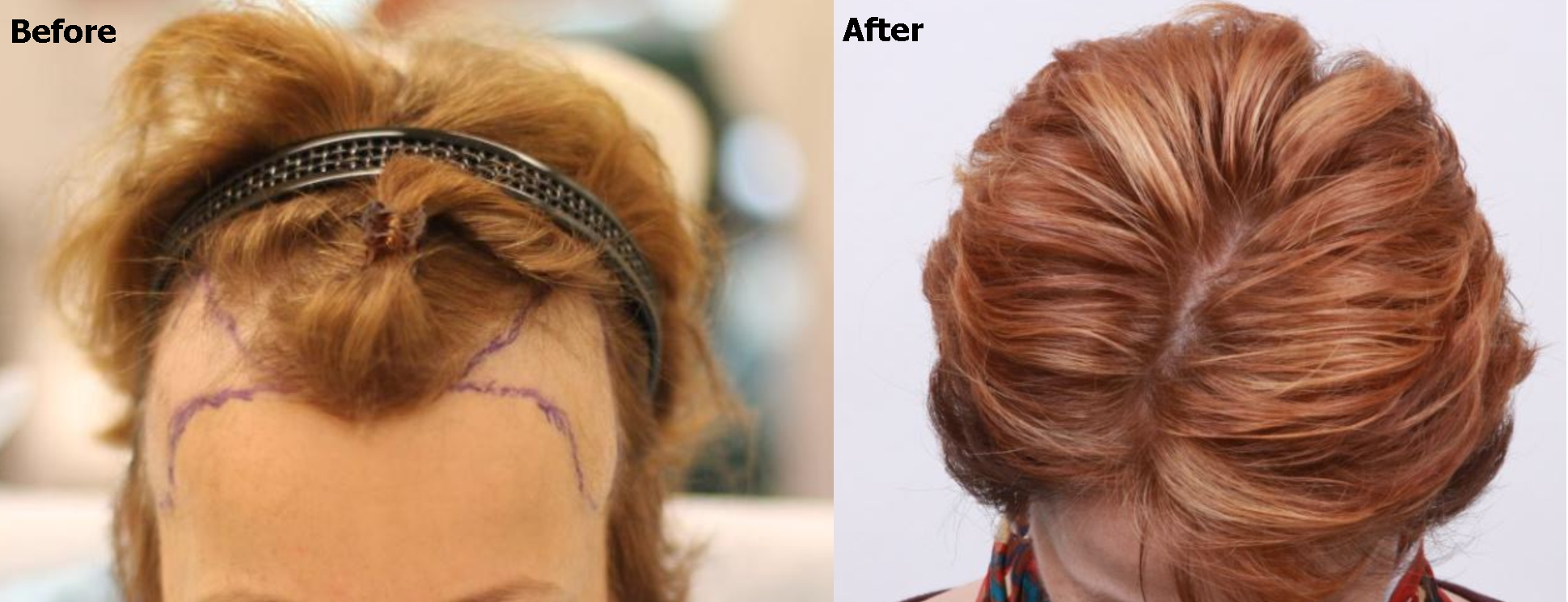
Hair transplantation is an effective and reliable option for restoring a woman’s hairline and temporal area. Follicular Unit Extraction (FUE) is an effective way to combat temporal hair loss in women. This procedure involves harvesting individual hair follicles from a donor area (typically the back or sides of the scalp) and transplanting them into the temporal area. The transplanted hair follicles will grow naturally and create a fuller, and thicker temporal area.
In Conclusion
Hair loss in women, specifically in the temples, can significantly impact self-confidence and overall well-being. By comprehending the underlying causes of hair loss in this area, women can explore suitable solutions. By addressing underlying medical conditions, adopting healthy haircare practices, and considering various treatment options, women can regain their confidence and restore their hair back to where it once belonged. Remember, seeking professional advice from hair experts is crucial for an accurate diagnosis and a personalized treatment plan.