

Stress. Whether chronic or an acute event. We all have it. We all hate it. It’s not just about your mental health. With over 5500 searches per month on the web, a common concern is whether stress can lead to hair loss. In short, yes. The good news? Take care of yourself and take care of those strands.
In this post, we look deeper into stress induced hair loss and offer practical stress management tips. Understanding this connection is critical to happier hair and a happier you.
Holistic Approach to Mind, Body, and Hair
Having shiny and voluminous hair is desired by both men and women. And why shouldn’t it? Having a great head of hair can symbolize many things: beauty, youth, vitality, to name a few. So how can this be achieved?
Start with the Fundamentals
The answer starts with the scalp. The scalp is the foundation that houses the follicles and supplies them with blood and nerves. Without a healthy scalp, the war on hair loss cannot be won. To achieve a healthy scalp and to battle hair loss, one can look to improve on one important area: stress.
Does Stress Cause Hair Loss?
Stress is a leading cause of poor health. Unfortunately, when it comes to hair health, this is no different. Studies show that long-term stress puts people tresses in distress. According to Dr. Ya-Chieh Hsu of Harvard University, subjecting mice to mild stress over many weeks increases levels of corticosterone and stress hormones. This leads to the prolonging of the hair fall-out stage because the follicles remain in an extended resting phase or telogen phase (Choi et al, 2021).
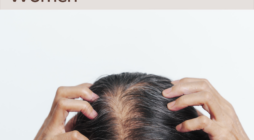
Understanding the Link Between Stress and Hair Loss in Women
Different Types of Hair Loss Related To Stress
- Telogen Effluvium
- Most common form of stress-related strand injury.
- A stressful or traumatic event pushes a large number of follicles into resting phase leading to sudden loss.
- Read more on this blog about shedding and hair loss.
- Alopecia Areata
- Autoimmune disorder where the body’s immune system attacks the follicles. Leads to patchy hair loss.
- Stress can trigger this condition.
- Read more on this blog about shedding and the amount of hair that is too much hair?
- Androgenetic Alopecia
- Most common type of hair loss.
- Stress can accelerate effects through shortening of growth phase of the hair growth cycle.
- Read more on this blog of female pattern baldness.
How Does Stress Impact the Hair Growth Cycle?
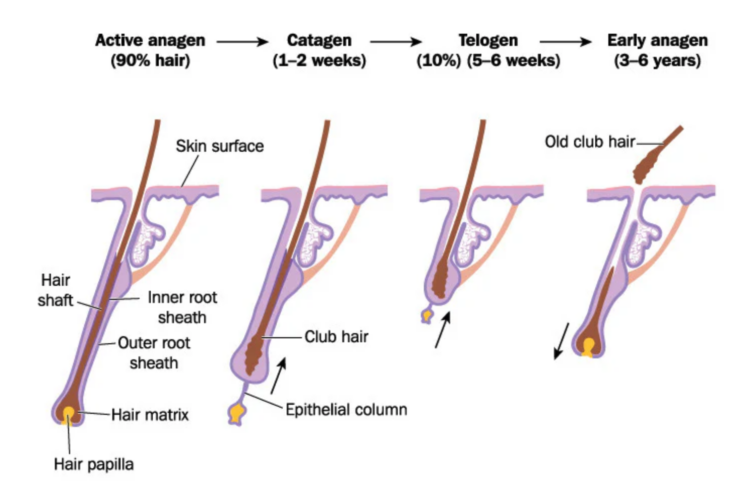
Emotional stress can cause distress in those previously healthy locks by pushing follicles into a “resting” phase and disrupting the follicle growth cycle. While stress-induced hair shedding does not cause permanent baldness and your locks will grow back, managing stress through relaxation techniques and self-care is essential for healthy hair regrowth.
Mediators of the Stress Effect:
- Cortisol release
- Cortisol, the stress hormone, can interfere with normal cycling follicles by shortening the growth anagen phase, and prolonging the resting telogen phase. This leads to thinning and at times bald patches. Read more on the affect of hormones on hair loss.
- Sympathetic nervous system activation
- Prolonged activation due to chronic stress can inhibit the function of follicle stem cells which are crucial for growth and regeneration.
Will Hair Loss Caused by Stress Grow Back On Its Own?
Losing hair can be really stressful, it doesn’t help when stress is the cause of hair loss. Here is the good news: hair lost due to stress often grows back.
Factors Influencing Hair Regrowth
Here are the primary factors which influence how fast and well your hair will grow back after losing it due to stress.
- Severity of stress
- The more severe and longer the stress the longer it will take for the hair to grow back
- Hair care practices
- A gentle hair care routine using all natural products and avoiding irritating agents may facilitate the regrowth of the hair.
- Overall health
- Your general health plays a significant role. Good nutrition, regular exercise, and adequate sleep are crucial. Here are some tips on maintaining hair health.
Typical Timeframe For Hair Regrowth
| Duration of Stress | Time To Hair Regrowth |
| Acute Stress | 3-6 Months |
| Chronic Stress | 6-9 Months; Highly Variable On Resolution of Stress |
- Hair Health; and
- Stress Management for Hair Loss

Holistic Approach to Stress Management
Managing stress is crucial to hair and scalp health. By incorporating both daily and long-term stress management techniques, you can help reduce the risk of stress-related shedding and promote healthier hair growth.
Daily Stress Management Tips
- Meditation
- Meditation helps calm the mind and lower cortisol levels. Start off with just a minute a day and work your way up. Here is a guide to meditation, give it a try.
- Exercise
- Regular physical activity is a good idea and great for stress. Get that blood pumping, endorphins rushing and strands flowing.
- Proper Sleep
- Are you getting enough sleep? Lack of sleep increases stress which increases cortisol. Turn off the Netflix and create a blissfuly restful environment for sleep. Reed more here at Mayo Clinic’s sleep guide.
Long-Term Strategies for Stress Reduction
Acupuncture For Stress
Acupuncture is a form of centuries-old Traditional Chinese Medicine that has been used to treat various ailments. The points utilized in acupuncture, known as acupoints, are often located near peripheral nerves, blood vessels, and nerve endings which when stimulated, can induce the central nervous system to release chemicals such as endorphins to help ease pain and stress. Additionally, acupuncture’s positive effect on blood circulation can increase blood flow to the scalp, leading to the revitalization of the affected area for new hair growth.
Mindfulness
Be where your feet are. Easier said than done. practicing mindfulness involves staying present and fully engaged in the current moment. regular mindfulness practice can greatly reduce chronic stress.
Nutrition
A nutritious diet is essential for controlling stress levels and maintaining hair health. Botanicals may facilitate further stress relief through various mechanisms. As an example, an herb called He Shou Wu, also known as Fo Ti, contains a compound thought to induce the growth phase in dormant hair follicles. Additionally, Ashwagandha root, a powerful antioxidant, adaptogen, and anti-inflammatory herb, can help increase physical energy and build immunity. Moreover, as an adaptogen, Ashwagandha is commonly used to reduce stress and symptoms related to stress, such as alopecia. One can find both herbs in high quality supplements.
Massage
Give that dome a nice rub. Massaging the scalp can help promote blood flow which nourish the follicles all while reducing stress and cortisol levels.
Management Options For Stress-Induced Hair Loss
Dealing with hair loss is not easy. Luckily, we currently have more options for promoting our strands of hair than ever before. Keep in mind, this is temporary. Think twice before doing in permanent procedures like transplantation until waiting at least 6 months. Here are some of the various options to mitigate stress-induced hair loss.
Holistic Treatments for Hair Loss
- Herbal Remedies:
- Aloe Vera: Aloe vera has been used for centuries for its healing properties. Applying it to your scalp can help sooth and condition the skin.
- Essential Oils: Oils like rosemary, peppermint, and Tea Tree have been shown to facilitate hair growth. Mixing these with carrier oil like jojoba or coconut oil can be very helpful
- Dietary Supplements:
- Avoid nutritional deficiencies by ensuring your diet is rich in nutrients essential for hair health such as iron, zinc and vitamin D.
- Biotin supplementation is known to strengthen hair and nails
- Organonutrients from botanicals come with a variety of benefits including stress reduction and hair growth.
Medical Treatments Options For Stress Induced Hair Loss
- Topical Treatment Options:
- Minoxidil: Helps stimulate follicles and promote growth
- Finasteride/Dutasteride: Prevents conversion of testosterone to DHT, preventing shortening of the growth phase of the hair cycle.
- Oral Medications:
- Finasteride/Dutasteride: Prevents conversion of testosterone to DHT. Consult with a healthcare provider prior to use.
- Minoxidil: Not FDA approved but scientific evidence suggests propensity towards growth. Consult with a healthcare provider prior to use.
- Injectables:
- PRP: Proven to be an effective solution for hair thinning and loss.
Conclusion
Healthy hair comes from wholesome care for your overall physical and mental health. Focus on managing stress to create a solid foundation. Infuse supplements to help boost your overall health and target specific nutrients for hair growth. These are just some examples of the many holistic approaches to consider for improving your hair health. Take care of your mind and body, and you will be rewarded.
Sources
Sources Corticosterone inhibits GAS6 to govern hair follicle stem-cell quiescence. Choi S, Zhang B, Ma S, Gonzalez-Celeiro M, Stein D, Jin X, Kim ST, Kang YL, Besnard A, Rezza A, Grisanti L, Buenrostro JD, Rendl M, Nahrendorf M, Sahay A, Hsu YC. Nature. 2021 Mar 31. doi: 10.1038/s41586-021-03417-2. Online ahead of print. PMID: 33790465.
McClellan KJ, Markham A. Finasteride: a review of its use in male pattern hair loss. Drugs. 1999 Jan;57(1):111-26. doi: 10.2165/00003495-199957010-00014. PMID: 9951956.