
Hair Loss Treatments for Women
Hair Loss Treatment Options for Women
Even though most of the marketing around hair loss treatments has been geared towards men, there are several treatment options available for women experiencing hair loss. They range from medical interventions to the best shampoos for hair loss to great haircuts for thinning hair.
Non-Invasive Hair Loss Treatment Options
Some non-invasive options for treating hair loss in women include:

Hair systems or wigs
Ranging in price and quality, hair systems or wigs can provide freedom and options for women experiencing hair loss.
Medications
Topical or oral medications can help treat hair loss by addressing root causes internally.
Topical Medication
Minoxidil (Rogaine) comes in several forms and is available over the counter.
Oral Medications
Spironolactone and oral dutasteride can be prescribed by your primary care physician.
Before taking any medications, inform your health care provider If you are pregnant or expecting.
Vitamins
Ensuring you have enough nutritional density to support healthy hair. Before taking any vitamins, inform your health care provider If you are pregnant or expecting.
Maintenance regimes
Keeping hair clean and healthy, without undue stress from overwashing, styling, or heat treatments can go a long way to treating hair loss.
Products
Not all hair products are created equal, and it is worth knowing the best shampoo to treat women’s hair loss. Avoid products with sulfates, parabens, propylene glycol, and alcohol.
Self-Care
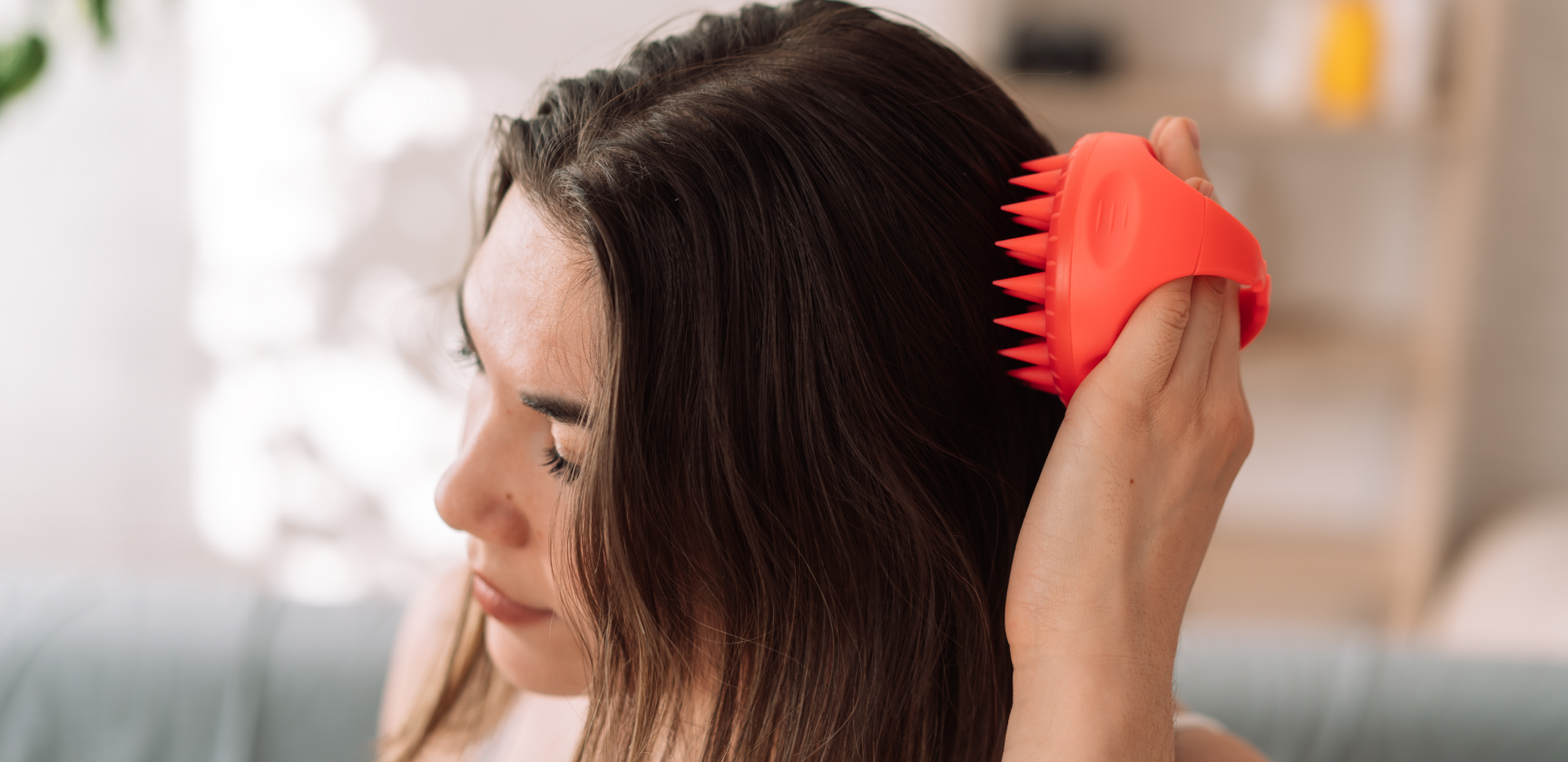
Taking care of yourself impacts your hair. Stress management, mindfulness, and scalp massages can bring overall health that supports healthy hair.
Medical Interventions for Treating Hair Loss in Women
Beyond non-invasive treatments, medical professionals can provide clinical treatments for women’s hair loss. They include:
Transplants
Follicular Unit Extraction (FUE) is a minimally invasive hair restoration procedure that is sutureless whereby hair follicles from the back of the scalp (donor area) are placed in the recipient area of the scalp. Follicular Unit Transplant (FUT) is a more invasive procedure that uses a section of removed donor hair from the back of the scalp, separates it, and then replaces it in the recipient section.
Injectables
Platelet-rich plasma (PRP)
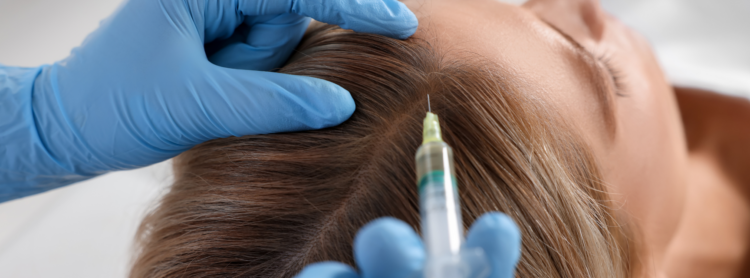
The patient’s blood is spun in a centrifuge and the resulting platelet-rich plasma is then injected into the scalp. PRP is a treatment that could help boost healing, regeneration, and hair growth.
Exosomes
Exosomes are extracellular microvesicles which have shown promise in research and can be injected into the scalp. Exosomes may promote new blood vessels which can increase blood flow and nutrient supply to hair follicles supporting hair growth.
Scalp Micropigmentation (SMP)
Thin needles are used to deposit tiny dots of organic pigment on the scalp giving the appearance of thicker hair. This is often referred to as a hair tattoo.
Microdermabrasion or microneedling with exosomes
Micro wounds are created on the scalp to stimulate follicles and encourage hair growth.
Laser or Light Hair Therapy
Also referred to as red light therapy, it irradiates photons into scalp tissues encouraging hair growth.
Current Trend
Can Shampoo Treat Hair Loss?
Using the right shampoo is important for maintaining healthy hair, but it is not an effective treatment for hair loss, regardless of the claims made on the label. To create the best environment for hair growth, it is essential to use all-natural hair care products that are free from harsh chemicals such as sulfates and parabens. If you come across a product that claims to contain medical ingredients for treating hair loss, it is advisable to consult with a healthcare provider before using it.
CURRENT TREND
Are There Hairstyles for Thin Hair?
All hair can be styled and cut in a way that is most flattering for each person. The best haircuts for thin hair are the ones that make you feel like yourself. When your locks are thinner, try:
Bangs
Take away attention from the center part and create movement with sweeping or blunt bangs
Blunt ends
Add a visual weight to your hair by keeping the ends blunt
Pixie cuts
Whether shaggy, sculpted, or dense, a pixie cut can help thin hair feel thick
Finding the right products is important as well. Try a thickening mousse to add the feel, and look, of volume.
Be sure to talk to your stylist about how to manage thinning hair and find the best women’s haircuts for thin hair, or the best women’s hairstyles for thin hair for your next night out.
What’s Right for Me?
There is no magic bullet treatment for hair loss that works for everyone. Consult a healthcare professional with both your concerns, and your questions, to find a treatment that is right for you. You can get a hair assessment to supplement your treatment journey.
Related Articles
SEE ALL
Naturale by Origenere vs Naturale by Naturale LLC: Same Name, Different Hair Growth Systems
by Her Hair Health May 15, 2026
Expensive Shampoos: Are They Worth It — or Just Clever Marketing?
by Her Hair Health
January 12, 2026


Exosomes for Hair Loss in Women: The Next Frontier in Regenerative Hair Therapy
by Her Hair Health
July 8, 2025

Stay Trending
Join our newsletter for expert tips, emerging trends, and our latest research on all things women’s hair loss, and more.