


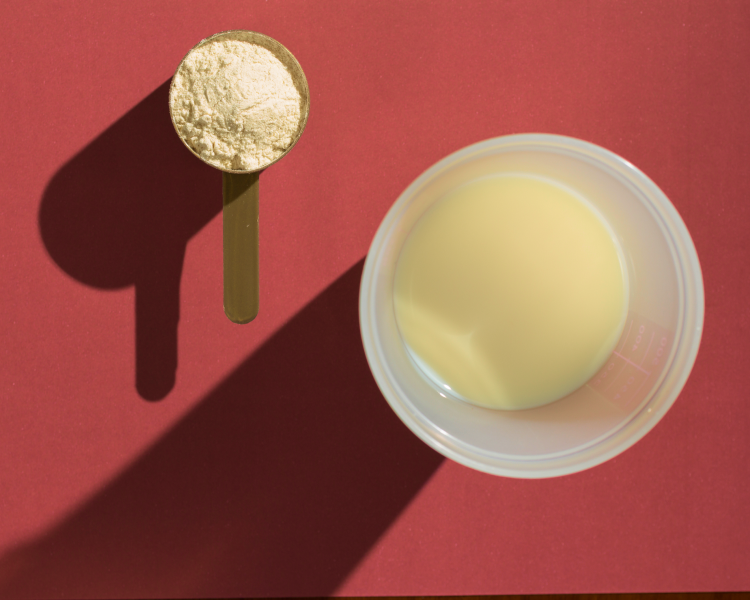
What Is Creatine?
First described in 1832 creatine is a highly utilized sports supplement said to increase muscle performance in short duration, high-intensity exercises[1] In the 1990s creatine gained significant popularity after it was reported that British gold medalist Linford Christie and Sally Gunnell used creatine. By 1996 it was estimated that 80% of Olympic athletes used creatine.[2]
Results since its rise in popularity as a dietary supplement have been mixed. Studies demonstrate an increase in lean body mass and an improvement in performance and strength for short duration, maximal intensity exercises. Yet, studies evaluating improvements in sports specific activities did not show improvement in those supplemented with creatine.[1]
Creatine Use In Women
While predominant use and research has focused on male use of creatine, growing evidence demonstrates female specific benefits of creatine use. [4] This has led to a trend towards increased popularity, particularly amongst educated women. [5] Women have lower creatine stores, lower amounts of consumption, and hormonal variation in creatine kinetics indicating a possible role for creatine supplementation.[5]
A growing body of evidence shows multiple possible uses of creatine supplementation in women. In female athletes, creatine supplementation demonstrated improved muscle performance.[4] Further, research in post-menopausal, non-athlete women, likewise showed improvement in muscle quality and performance with creatine supplementation.[4]
Relative to males, female counterparts have less creatine stores in the brain.[4] Studies have demonstrated possible links to depression, particularly in the postpartum state. Preliminary biochemical studies also demonstrate a possible role for creatine in mitigating postpartum depression.[4]
Like any product, these potential benefits are weighed against risks associated with use. While most studies demonstrate an overall safe side effect profile, questions on an individual user basis persist.[3]
Does Creatine Cause Hair Loss?
One of the common questions in relation to Creatine is in regard to links between Creatine and hair loss.[4] In 2009, a study demonstrated an increase in serum dihydrotestosterone (DHT) concentrations over time in a group of college aged rugby players using creatine.[5] DHT in turn has been linked to hair loss and balding. As a result, momentum began to build around potential links between creatine and hair loss. Work is ongoing in the area of supplementation and hair loss.
To date, 12 other studies have investigated the effect of creatine supplementation and hair loss through effects on testosterone.[4] No statistically significant increase in testosterone from creatine use was noted in all those studies. To date no study has directly linked hair loss to creatine use.[4] In summary, the current body of evidence does not indicate that creatine supplementation increases testosterone or causes hair loss by any other mechanism.
In Conclusion
Creatine monohydrate is an effective supplement in improving muscle and athletic performance. A growing body of evidence suggests similar benefits in women along with other possible advantageous effects such as mitigation of postpartum depression. Creatine has been rumored to be linked to hair loss. To date there has not been any direct links between creatine and hair loss.
Sources
- Butts J, Jacobs B, Silvis M. Creatine use in sports. Sports Health. 2018. 10(1): 31-34.
- Creatine: The Most Proven Sports Nutrition Supplement. Kaged. 2021. https://www.kaged.com/blogs/supplementation/creatine-supplement.
- Poortmans J, Francaux M. Adverse effects of creatine supplementation. 2012. 30(155-170).
- Antonio J et al. Common questions and misconceptions about creatine supplementation: what does the scientific evidence really show? Journal of The International Society of Sports Nutrition. 2021. 18:13.
- Smith-Ryan A. Creatine supplementation in women’s health: a lifespan perspective. Nutrients. 2021. 13(3):877.