

The Treatments Available
Hair loss can be a distressing issue for many women, but with advances in hair care and medical treatments, there are numerous effective options available to manage and treat hair loss. Whether you’re exploring non-invasive strategies or considering medical interventions, understanding the full range of treatments can help you make informed decisions. As a female physician, I understand the importance of addressing this issue and providing women with effective hair loss treatment options. This article offers a brief summary of hair loss treatments for women, ranging from the best shampoos for supporting hair loss and great hairstyles to cutting-edge medical options.
Hair Systems and Wigs
For immediate results, hair systems or wigs can be an excellent solution for those experiencing significant hair loss. Today’s high-quality wigs are designed to mimic the appearance and texture of real hair, allowing women to feel confident and comfortable in their appearance.
These options offer versatility and a natural look without the need for medical treatments. Wigs and hair systems can also provide a confidence boost while you explore other long-term solutions.
Medications
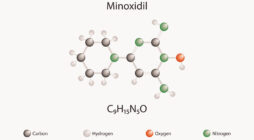
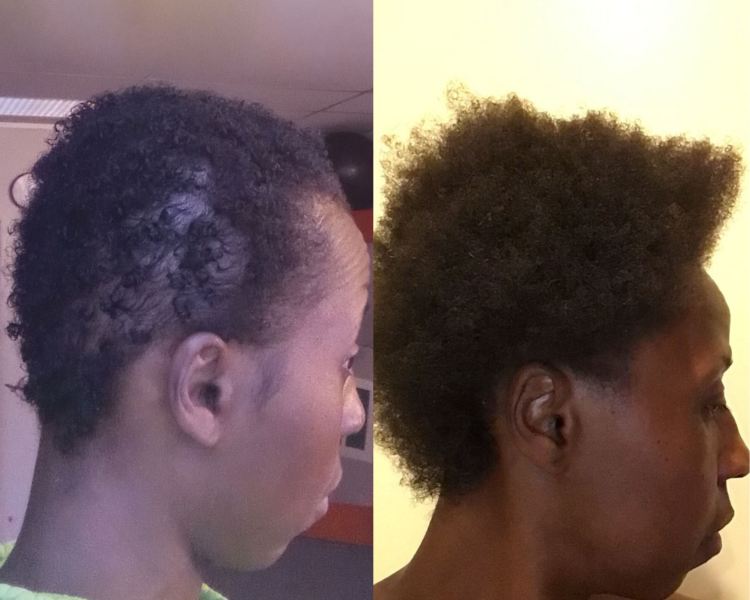
There are FDA-approved medications such as minoxidil that have been shown to be effective in treating hair loss in women with mild hair thinning by stimulating hair growth and slowing balding or female pattern hair loss (FPHL). These treatments can be used alone or in combination with other therapies for enhanced results.
Vitamins and Nutritional Support
Ensuring adequate nutritional intake is crucial for hair health. The best vitamins and supplements for hair loss work by supporting healthy hair growth from within. There are innovative hair health supplements available with botanicals chosen for their phytonutrient profiles. Popular botanicals chosen for their hair health benefits include saw palmetto, ashwagandha, nettle leaf, and horsetail.
Maintenance Regimes and Products
A proper hair care routine is essential for managing hair loss. Using all-natural, sulfate-free products can help maintain scalp health without stripping hair of its natural oils. Products containing natural botanicals can nourish the scalp and hair, promoting a healthy environment for hair growth. In addition to using quality hair care products, scalp massage should be part of your maintenance routine to increase blood flow and therefore nutrients to the hair follicles.
Hair Loss Shampoo for Women
When it comes to shampoos, the best shampoo for women’s hair loss should be sulfate- and paraben-free formulated specifically for thinning hair. Natural botanicals, long used by various cultures for healthy hair, are gaining increased research attention. Look for products that contain botanicals thought to combat thinning hair such as saw palmetto, hops, sage, and fenugreek. A hair loss shampoo for women can cleanse and balance the scalp while providing essential nutrients to fortify hair follicles.
Self Care
Stress is a significant factor in hair loss. Techniques such as yoga, meditation, and regular exercise can help manage stress levels, potentially reducing the impact of stress on hair health. Ensuring adequate sleep and hydration is also crucial for maintaining overall health, including that of your hair.
Hairstyles for Women with Thin Hair
Women’s Haircuts for Thin Hair
Opting for the right haircut can make a significant difference in the appearance of thin hair. Styles that incorporate layers can create the illusion of volume and texture. Specific styles, such as bob cuts or short pixies, are particularly flattering for women with thin hair as they add volume and make hair appear fuller. Discussing options with a stylist who understands hair thinning will ensure you choose a look that’s both stylish and suitable for your hair type.
Women’s Hairstyles for Thin Hair
For styling thin hair, lighter products that don’t weigh down hair are ideal. Look for products that are multifunctional with natural botanicals as well as sulfate- and paraben-free. There are some hair tonics that provide light hold and styling optimal for thin hair while combining all natural ingredients like aloe and saw palmetto for optimal scalp and hair health. When styling thin hair, opt for women’s hairstyles that add volume and movement, such as beach waves, messy updos, or half-up-half-down styles.
Medical Interventions for Treating Hair Loss in Women
For women seeking more advanced hair loss treatment options, there are several medical interventions available.
Hair Transplants for Women
Hair transplantation involves surgically relocating healthy hair follicles from one area of the scalp to the thinning or balding areas. This procedure can provide a permanent solution for hair loss, but it does require a significant financial investment.
Injectables
Platelet Rich Plasma (PRP) therapy and exosome injections are minimally invasive treatments that involve injecting growth factors and regenerative cells into the scalp to stimulate hair growth. These treatments have shown promising results for women in the early stages of hair loss but are not yet FDA-approved.
Scalp Micropigmentation (SMP)
SMP is a cosmetic tattooing technique that creates the illusion of fuller hair by depositing organic pigment into the scalp. This treatment can be particularly beneficial for women with thinning hair or those who have undergone hair transplantation and desire additional density.
Microdermabrasion or Microneedling with Exosomes
Microdermabrasion and microneedling are skin resurfacing techniques that can be combined with exosome therapy to promote hair growth. These treatments are thought to work by creating micro-injuries in the scalp, which stimulate the body’s natural healing response and allow for better absorption of growth factors promoting a healthier hair growth environment.
Laser or Light Hair Therapy
Low-level light therapy uses specific wavelengths of light to increase blood flow to the scalp and promote cellular metabolism which can stimulate hair growth. Depending on the severity of hair loss, this non-invasive treatment can be in a clinical setting or at home using FDA-approved devices.
The Importance of a Holistic Approach to Hair Loss Treatment
While individual treatments can be effective in managing hair loss, adopting a holistic approach that combines multiple strategies may yield the best results. For instance, incorporating a healthy diet rich in essential nutrients, managing stress through self-care practices, and using targeted hair care products can work synergistically with medical interventions like medications or hair transplants for women. Additionally, addressing underlying health conditions that may contribute to hair loss, such as hormonal imbalances or nutritional deficiencies, is crucial for long-term success. By taking a comprehensive approach that considers both internal and external factors, women can optimize their hair health and achieve the best possible outcomes in their hair loss treatment journey. Consulting with a healthcare professional who specializes in hair loss can help women develop a personalized, multi-faceted treatment plan that addresses their unique needs and goals.
In Conclusion
Managing hair loss can be a challenging journey, but with the right combination of non-invasive options, medical interventions, and hairstyles for women with thin hair, it is possible to maintain a positive self-image and feel confident in your appearance. To address hair loss, women should consult a hair loss specialist or trichologist to develop a personalized treatment plan tailored to their specific needs and the severity of their condition.
Sources
Gupta, A. K., Foley, K. A., & Versteeg, S. G. (2017). New and emerging treatments for hair loss in women. International Journal of Women’s Dermatology, 3(1), 6-12.
Kelly, Y., Blanco, A., & Tosti, A. (2016). Androgenetic alopecia: An update of treatment options. Drugs, 76(14), 1349-1364.
Sinclair, R. D. (2016). Female pattern hair loss: A pilot study investigating combination therapy with low-dose oral minoxidil and spironolactone. International Journal of Dermatology, 57(1), 104-109.
Jimenez, J. J., Wikramanayake, T. C., Bergfeld, W., Hordinsky, M., Hickman, J. G., Hamblin, M. R., & Schachner, L. A. (2014). Efficacy and safety of a low-level laser device in the treatment of male and female pattern hair loss: A multicenter, randomized, sham device-controlled, double-blind study. American Journal of Clinical Dermatology, 15(2), 115-127.
Alves, R., & Grimalt, R. (2018). A review of platelet-rich plasma: History, biology, mechanism of action, and classification. Skin Appendage Disorders, 4(1), 18-24.
Epstein, J. S. (2020). Hair transplantation in women: Indications and techniques. Dermatologic Surgery, 46(4), 455-460.
Müller Ramos P, Melo DF, Radwanski H, de Almeida RFC, Miot HA. Female-pattern hair loss: therapeutic update. An Bras Dermatol. 2023 Jul-Aug;98(4):506-519. doi: 10.1016/j.abd.2022.09.006. Epub 2023 Mar 30. PMID: 37003900; PMCID: PMC10334345.