


A physician-led guide to price tags, ingredient quality, and what actually supports hair health in today’s market.
This article is part of our Hair Loss Treatments for Women pillar. For practical shampoo selection guidance, see The Best Shampoo for Women’s Hair Loss. For broader strategy, explore effective hair loss management options and our overview of hair restoration approaches for women.
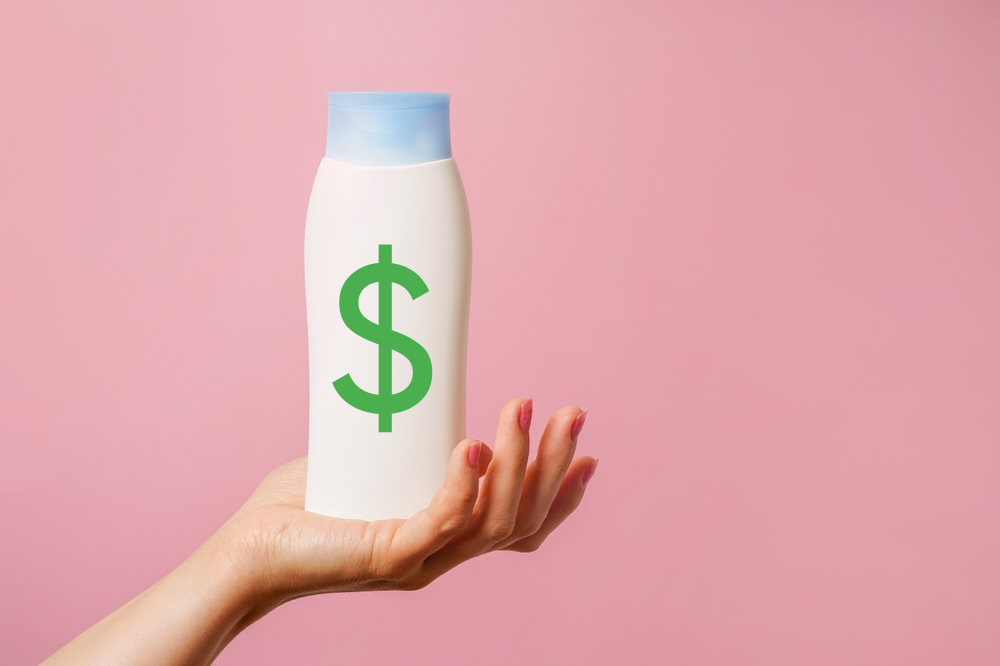
At first glance, shampoo seems like one of the simplest hair care products we buy. A tiny bottle of shampoo from the drug store might cost $6, while salon products and luxury brands can carry a big price tag well into the triple digits. Understandably, many people wonder whether that higher price tag reflects tangible benefits—like less breakage, better scalp comfort, and healthier-looking hair over time—or whether it’s mostly fancy packaging and marketing.
The truth is nuanced. Many expensive shampoos are not worth it. But a smaller subset reflects a different scientific formulation philosophy—one that tries to support scalp biology (not just hair fiber aesthetics) and reduce the irritation burden that can come with harsh cleansing systems, strong fragrance loads, or intense synthetic preservatives. This guide breaks down the technical side of luxury shampoos, when the cost may be justified, and when drugstore products are the smarter choice in the long run.
Why shampoo prices vary so widely
In today’s market, shampoos generally fall into several categories—each designed to solve a different problem. Price differences often come down to formulation complexity, manufacturing scale, and whether a product is meant for fast cosmetic impact or long-term scalp support.
Drugstore shampoos and mainstream shampoos
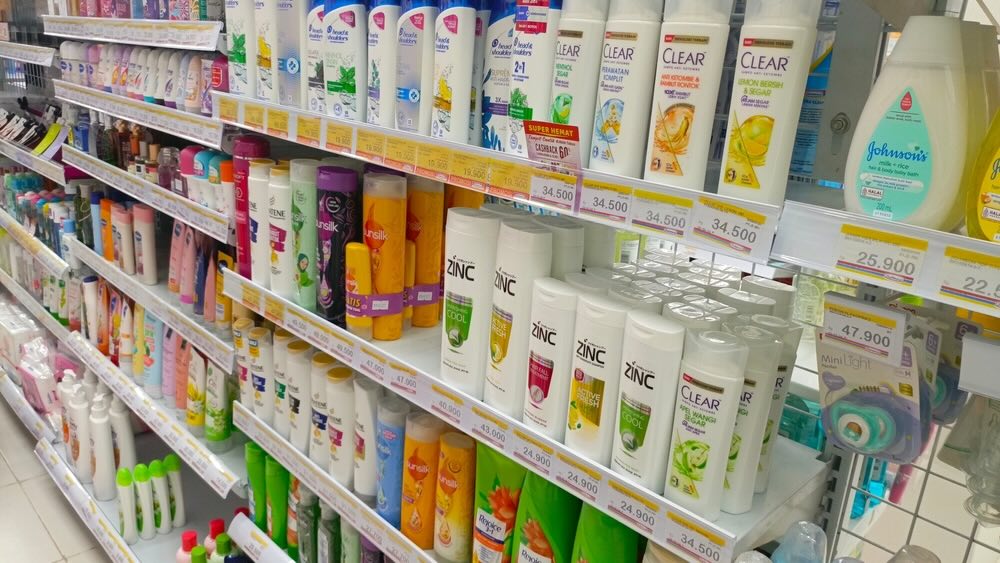
Most mainstream shampoos and drugstore brands are optimized for mass distribution, long shelf life, and quick cleansing. Many use stronger detergents such as sodium lauryl sulfate (or similar surfactants), paired with strong synthetic preservatives to remain stable across large supply chains. For some hair types—especially oily hair—this can work perfectly well. For sensitive skin, it can be more irritating.
Salon shampoos and salon brands
Many salon shampoos prioritize hair feel and appearance at the fiber level: shine, smoothness, styling performance, and color processing compatibility. These can be excellent for curly hair, dry hair, thick hair, or fine hair depending on the formula, but they are often still cosmetic-first rather than biology-first.
Luxury shampoos and premium products
Luxury products often cost more due to packaging, fragrance development, and brand positioning. Some are genuinely well-made; others are only marginally different from drug store products once you inspect the ingredients list. This is why “expensive” does not automatically mean “best shampoo.”
Biology-focused premium formulations
A smaller category of premium products aims for gentle cleansing and scalp tolerance over time. These formulas may lean on milder surfactants (for example, sodium cocoyl isethionate), reduced reliance on harsh preservatives where feasible, and more careful balancing of botanicals, natural oils, and preservation strategies.
Why many expensive shampoos aren’t worth it
It’s important to say plainly: most expensive shampoos do not deliver proportional benefits. A higher price often reflects marketing, distribution strategy, and aesthetics. If your goal is simple cleansing and immediate softness, a well-chosen drugstore product can provide great hair results at a fraction of the cost. Users should be cautious to avoid those products with potentially harmful ingredients.
When higher shampoo prices can be justified
A higher price can reflect real formulation and manufacturing tradeoffs:
- Gentle cleansing surfactants (e.g., sodium cocoyl isethionate) vs harsher detergents
- Balanced use of natural oils without weighing hair down
- Scientific formulation of multi-compound systems rather than single “hero” ingredients
- Ethical sourcing and ingredient standardization (especially for botanicals)
- Preservation strategy that prioritizes tolerability and stability
- Smaller production runs and fresher batches compared to mass distribution cycles
Case study: what brands cite as “why it’s expensive”
To understand what ultra-premium pricing can represent, it helps to look at a concrete example. Origenere has published an editorial explanation of why its Sempre™ shampoo is positioned at the extreme end of pricing—covering its TR6™ botanical complex, microbatching, and international sourcing and manufacturing. You can read that explanation here: The World’s Most Expensive Shampoo? Why Sempre™ Wins .
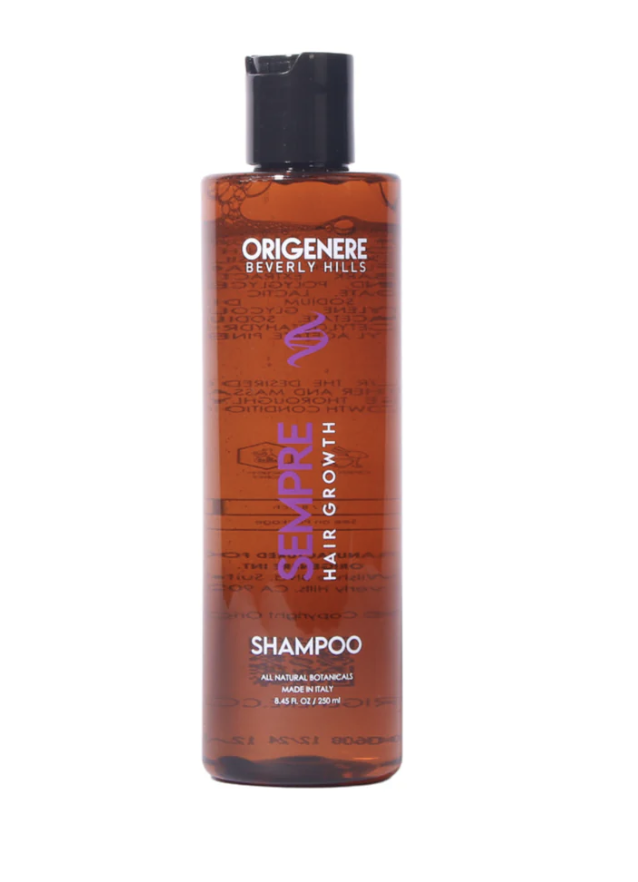
The key educational question is not “Is it worth it?” but “What does the price claim to pay for—and is that structurally plausible?” At the ultra-premium end, brands often cite:
- Complex botanical systems (multiple active compounds rather than a single hero ingredient), which can increase stability testing and formulation constraints.
- Microbatch production, which tends to raise per-unit costs through smaller runs, tighter QC overhead, and less economies of scale.
- International sourcing and standardized raw materials, which can raise the cost of reproducibility and traceability.
- Manufacturing and quality controls designed for consistency, including pH balancing and process oversight.
- Clinical lineage, where formulations originally built for post-procedure care avoid certain cosmetic shortcuts that can weigh down fine hair or irritate sensitive scalps.
For context, Origenere’s editorial article has described Sempre as being priced at approximately $11.25 per ounce (pricing, formats, and promotions may change). A number like this can be useful as a reference point—but it does not guarantee outcomes. Results still depend on ingredient selection, stable delivery, consistent use, and individual biology.
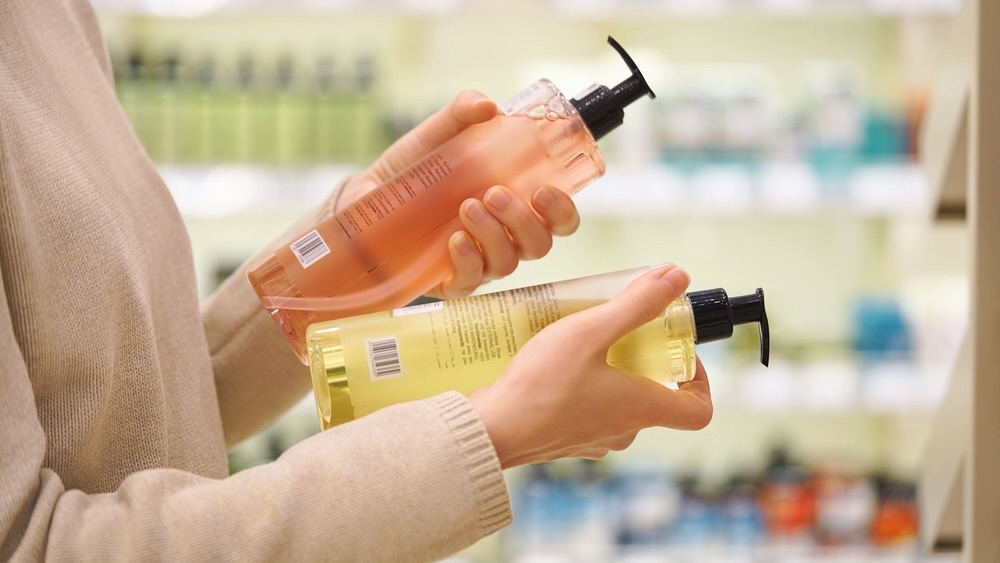
Comparison Table: Luxury vs Salon vs Drugstore Shampoos
Use this table to compare what each category tends to optimize. These are general patterns—not rules—but they help explain why big price tags exist.
| Feature | Drugstore Shampoos | Salon Shampoos | Luxury / Biology-Focused Shampoos |
|---|---|---|---|
| Typical Price Range | Low ($5–$15) | Moderate ($25–$50) | High ($75–$200+) |
| Primary Goal | Basic cleansing | Cosmetic performance | Scalp + long-term hair health support |
| Common Surfactants | Often stronger (e.g., sodium lauryl sulfate) | Mixed; varies by brand | Often milder (e.g., sodium cocoyl isethionate) |
| Preservation Approach | Strong synthetic preservatives for stability | Moderate; often fragrance-forward | May use natural preservation systems and smaller runs |
| Hair Fiber (Feel/Look) | Adequate | Often immediate “salon finish” | Secondary to scalp outcomes (varies) |
| Scalp Sensitivity | Can irritate sensitive skin | Variable | Often designed for tolerance |
| Best Fit Examples | Oily hair, simple needs, budget | Curly hair, color processing, styling goals | Thinning concerns, sensitive scalps, long-horizon routine |
| Distribution | Mass distribution, easy to find | Hair salons, curated retailers | Limited channels, often specialty |
Frequently Asked Questions About Luxury Shampoos
Which are the most popular luxury shampoo brands right now?
Luxury shampoos generally cluster into three groups: heritage salon-forward lines, modern lifestyle luxury brands, and biology-focused premium formulas. Popularity isn’t the same as best—especially for thinning or sensitive scalps. The best choice depends on whether your goal is cosmetic performance or long-term scalp support.
Are there natural or organic options among luxury shampoos?
Yes. Many premium products include botanicals and natural oils, but “natural” does not automatically mean better—especially for sensitive skin. Look beyond the label to surfactant choice, fragrance load, and preservative strategy.
Where can I buy luxury or high-end shampoos online?
Luxury shampoos are commonly sold through official brand websites, authorized salon retailers, and specialty hair-health platforms. Buying directly from manufacturers or authorized sellers helps ensure authenticity, better storage conditions, and access to accurate ingredient information.
Final takeaway
Expensive shampoo is not inherently better—and cheaper shampoo is not inherently worse. Many luxury shampoos are expensive because of branding and packaging. A smaller subset costs more because the formulation is harder to build, preserve, and produce consistently. If hair loss or scalp sensitivity is part of the picture, focus on alignment with your scalp, hair type, and expectations over time—not the biggest price tag.