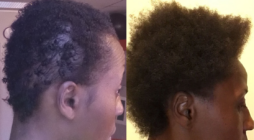


What Is Hair Restoration for Women?
You’re brushing your hair one morning and notice more strands than usual left behind. Or maybe your part looks wider, the top of your head feels sparse, and styling doesn’t quite hide it anymore. For many women, these are the first signs of hair loss.
The reality is that female pattern hair loss and other forms of hair thinning affect millions of women, but the good news is that hair restoration has never been more advanced. Today, it’s about more than filling in thin hair—it’s about restoring confidence, creating natural results, and supporting long-term hair health.
What Hair Restoration Really Means
Hair restoration for women is a spectrum of solutions designed to address the causes of hair loss and help women achieve new hair growth or the appearance of thicker density. Depending on your situation, this could mean:
- Non-surgical therapies like exosomes or PRP.
- Medications such as minoxidil, which can stimulate regrowth.
- Surgical options like a female FUE hair transplant.
- Cosmetic enhancements such as scalp micropigmentation.
Unlike men, who often face clear patterns of baldness, women experience general thinning that requires tailored strategies.
Why Women Lose Hair
The underlying causes of hair loss in women are complex. Some of the most common include:
- Hormonal changes during pregnancy, menopause, or polycystic ovary syndrome (PCOS)
- Stress, illness, or sudden weight loss
- Medical conditions such as alopecia areata, androgenetic alopecia, and telogen effluvium
- Nutritional gaps like iron deficiency or low vitamin D
- Styling practices that cause traction alopecia
👉 Curious about which type of hair loss you may be experiencing? Explore our comprehensive guide to hair loss treatments for women.
How Is Female Hair Loss Different Than Male Hair Loss?
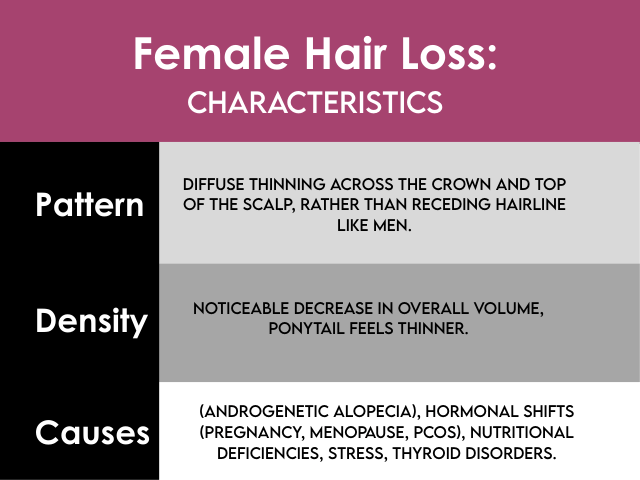
Female hair loss usually causes diffuse thinning and a widening part rather than bald spots or a receding hairline. It’s often tied to hormonal changes or medical conditions, requiring individualized care to protect existing hair, encourage new growth, and restore the natural female hairline.
Non-Surgical Treatment Options
Many women start with therapies that don’t involve surgery. These can strengthen the hair follicle, reduce shedding, and sometimes kick-start new growth:
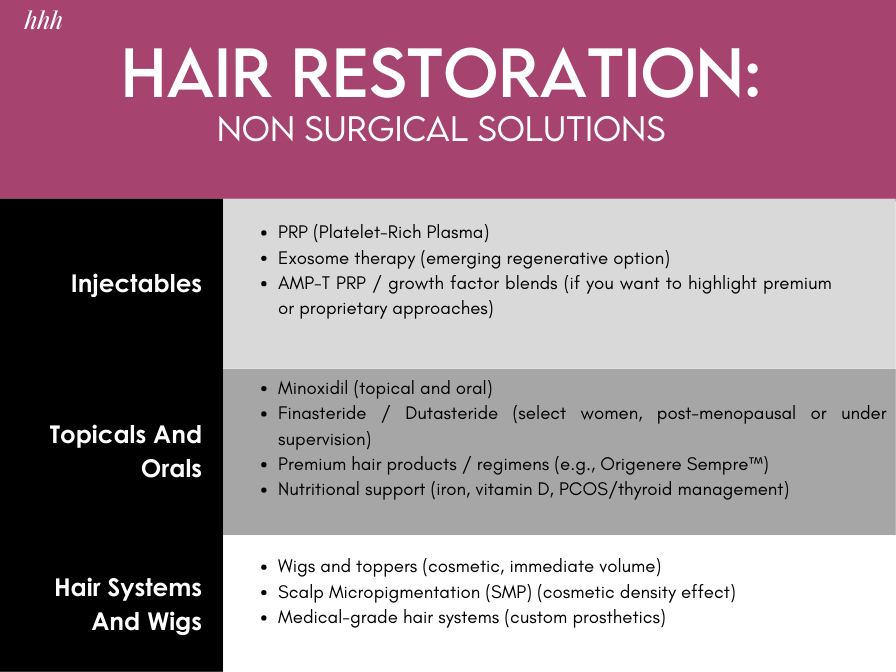
- Exosomes – regenerative signals delivered to dormant follicles. Learn more.
- PRP therapy – your platelets concentrate growth factors to support thicker strands. How PRP works.
- Minoxidil – FDA-approved topical for many women with female pattern baldness. Expert insights.
- Supplements & essential nutrients – correcting iron deficiency or low vitamin D can help.
- Specialized shampoos – support scalp health and reduce shedding. See our picks.
Tip: A healthcare provider may recommend blood tests to rule out hidden medical conditions or nutrient gaps.
All-Options Comparison
| Treatment | Speed of Visible Results | Invasiveness / Risk | Maintenance Needed | Cost Estimate* |
|---|---|---|---|---|
| Topical minoxidil | Moderate (~3–6 months) | Low | Daily & long-term | Low–moderate |
| Oral minoxidil / hormonal blockers | Moderate to faster in some cases | Medium risk (side effects; hormonal considerations) | Long-term, medical supervision | Moderate–high |
| Low-level laser therapy (LLLT) | Slow to moderate | Low | Multiple times per week / ongoing | Moderate |
| PRP therapy | Moderate | Minimally invasive (injections) | Several sessions + follow-ups | High per session |
| Microneedling + topicals | Moderate (boosts other treatments) | Low to moderate (skin irritation, etc.) | Regular sessions | Moderate |
| Exosome therapy | Possibly fast (~3–6 months for some) | Minimally invasive; risk depends on source/purity | Likely repeat sessions, long-term follow-ups | High |
| Premium product kits & supplements | Slow to moderate | Very low (external/dietary) | Daily / routine maintenance | Moderate–high (brand/ingredients) |
*Costs vary by location, provider, and frequency of treatment.
Surgical Hair Restoration: FUE for Women
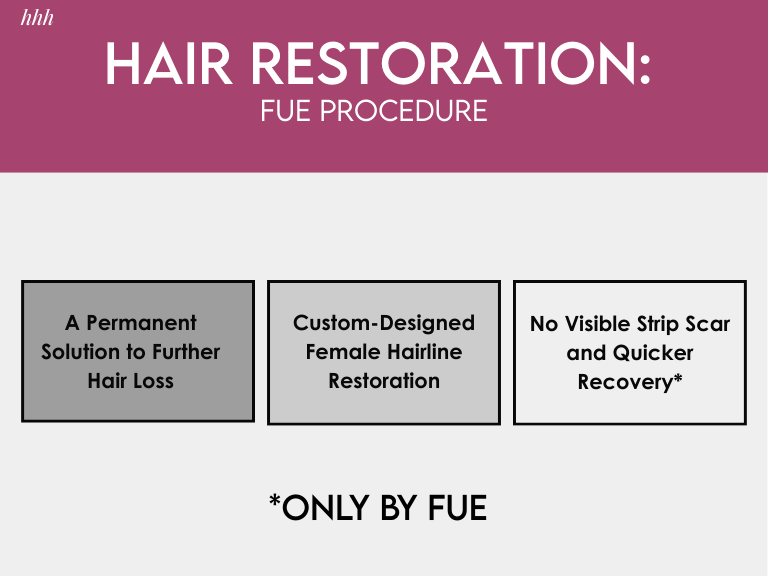
When non-surgical options aren’t enough, hair transplantation may be considered. The most advanced technique for women is Follicular Unit Extraction (FUE). This hair transplant procedure carefully relocates healthy follicles—often from the back of the head—into thinning areas. Unlike older FUT (strip) surgery, which removes a strip of skin and can leave a linear scar, FUE is minimally invasive and designed for natural results.
- A permanent solution to further hair loss
- Custom-designed female hairline restoration
- No visible strip scar and quicker recovery
Who’s a Candidate? Assessment & Planning
Before any procedure, a specialist evaluates the donor area, reviews your medical history, and maps the pattern of hair loss. This helps determine whether your thinning hair would benefit most from non-surgical care, a transplant, or a combined approach.
What to Expect From a Transplant
With modern techniques, transplanted hair is placed with attention to direction, angle, and density. The number of hair grafts depends on goals and donor supply, and results mature over months as follicles cycle from resting to active growth.
Can You Combine Approaches?
The most successful results often come from layering solutions. For example:
- FUE + PRP can improve hair density and accelerate recovery.
- Minoxidil + supplements can support the growth cycle and minimize further shedding.
See how this works in real cases: Faster recovery with PRP and women’s transplants.
FAQs: Hair Restoration for Women
How is female pattern hair loss different from male pattern baldness?
Women usually experience diffuse thinning at the top of the head, while men often develop a receding hairline or bald spots.
How long before I see new growth?
Non-surgical treatments may take three to six months. With hair transplant surgery, visible new hair appears after the resting phase of the growth cycle—around four months—with full results at 9–12 months.
What are the possible side effects?
They vary by treatment. Minoxidil can sometimes cause unwanted hair growth outside the scalp; PRP or exosomes may lead to temporary irritation. A qualified provider will review risks and benefits for your situation.
Final Takeaway
Hair restoration for women isn’t about vanity—it’s about self-expression and confidence. From non-surgical therapies that strengthen the hair follicle to advanced transplant surgery for natural results, there are more options than ever. With the right plan, you can regain not only your hair but your sense of self.