

Introduction
Hair loss can be hard for anyone, but it is often more challenging for women. There are many reasons for hair loss, and one of the most common types is female pattern hair loss. You might be thinking about whether a minoxidil solution is a good choice for you. This blog post will explain how minoxidil works, how well it works, and the possible side effects.
Understanding Minoxidil for Women’s Hair Loss
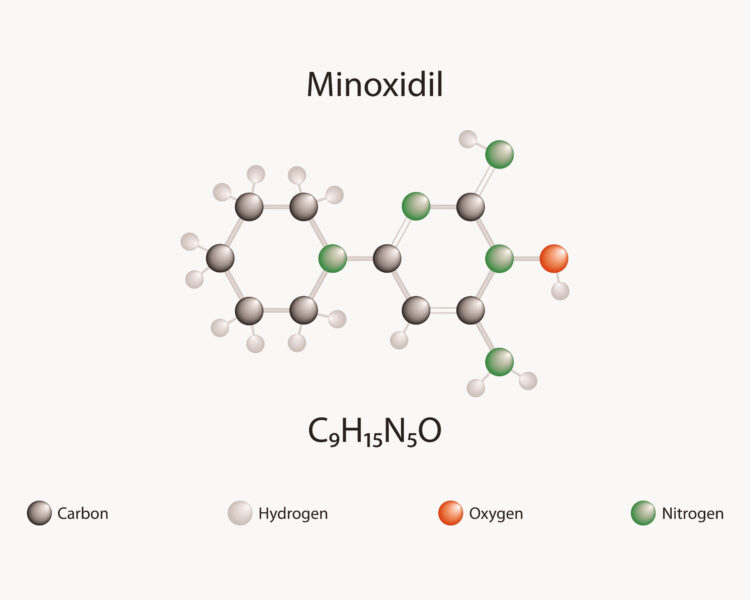
Minoxidil, also called Rogaine in topical form, is a serum or foam used to help with hair loss. You can buy it without a prescription. Though we do not fully know how it works, experts think it helps by increasing blood flow to hair follicles.
At first, minoxidil was tested to lower high blood pressure. It wasn’t until scientists saw that some people got hair growth as a side effect that they looked into it for treating hair loss.
The Origin of Minoxidil as a Hair Loss Treatment
Minoxidil was first made in the 1950s as a pill to treat high blood pressure. During tests, experts found that patients using minoxidil were growing more hair. This surprise effect made them look into minoxidil as a treatment for hair loss.
In the 1970s, scientists learned that using minoxidil on the skin could also help hair grow with fewer side effects. They studied topical minoxidil a lot to see if it could work for androgenetic alopecia, which is also called male and female pattern hair loss.
The FDA approved topical minoxidil for treating male pattern baldness in 1988. They approved it for female pattern hair loss in 1992. Now, minoxidil is a popular and well-researched option for hair loss treatment.
How Minoxidil Works on Female Scalps
The exact way minoxidil helps hair grow is not completely clear. But, many believe it works as a vasodilator. This means it opens up blood vessels, even in the scalp. When the blood vessels widen, blood flow to the hair follicles gets better. This better blood flow brings more oxygen and nutrients to the follicles. As a result, this can help with hair growth.
Also, minoxidil seems to extend the anagen phase, which is the growth phase of hair. Hair goes through different phases: growth, transition, rest, and shedding. By making the growth phase last longer, minoxidil allows hair to become longer and thicker before it starts to rest.
Lastly, minoxidil may help create new hair follicles. This is important because some kinds of hair loss can cause hair follicles to shrink or stop working. By helping new follicles form, minoxidil could turn back hair loss and support hair regrowth.
The Effectiveness of Topical Minoxidil for Women
Topical minoxidil is effective for treating female pattern hair loss. In studies, women who used minoxidil showed a big increase in hair growth when compared to those using a placebo. Results can differ for each person, but most women notice some improvement with regular use.
It’s good to know that minoxidil works best for new hair loss and not for spread-out loss. It may also work better for younger women than for older women. While minoxidil can slow or stop hair loss, it is not a cure. If you stop using minoxidil, you will probably lose any hair you gained while using it.
Minoxidil Concentrations: 2% vs. 5%
Minoxidil comes in two strengths: 2% and 5%. The 2% strength is usually for women, while the 5% is for men. But research shows that the 5% solution can also be safe and effective for some women, especially those with more hair thinning.
Using the 5% strength might help with hair growth faster and better. Still, it is important to know it could also cause more side effects. These side effects may include unwanted hair growth in some areas.
| Concentration | Recommended Use | Potential Benefits | Potential Drawbacks |
| 2% | Typically for women with mild to moderate hair loss. FDA-approved for female pattern hair loss. | Lower risk of side effects. | May not work as well for some women compared to 5%. |
| 5% | Better for women with more hair loss. | Can lead to faster and better hair growth. | Higher risk of side effects, like unwanted hair, scalp irritation, or allergic reactions. |
Real Women’s Success Stories with Minoxidil
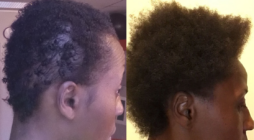
Many women with pattern hair loss have had good results using minoxidil. Online forums and groups for hair loss are full of happy stories from women who saw a big change in their hair regrowth after adding minoxidil to their hair care routine.
These successes show how minoxidil can improve not only their hair but also their self-esteem and overall quality of life. Many women feel more confident and at ease in their own skin, which makes them excited to take on their hair journeys with fresh hope.
It’s important to keep a realistic view of these stories, as each person’s experience can be different. Still, these real-life examples give a good idea of how minoxidil could help women fighting hair loss. This link to a reddit forum for women’s hair loss is one such forum.
This particular thread deal with a 27 year old female who has been losing hair over the past 5 years and started with 2.5% minoxidil topically for management. Read about her results here.
Oral Minoxidil: A New Frontier for Treating Women’s Hair Loss
While topical minoxidil is the most trusted treatment, oral minoxidil might offer a new option for women with hair loss. Early studies show that low-dose oral minoxidil can help with hair growth and has good results. Still, you should remember that oral minoxidil is not approved by the FDA for hair loss treatment.
More studies are needed to prove how well it works and if it is safe for everyone. Just like with any medicine, it’s important to talk to a qualified healthcare professional before taking oral minoxidil or changing your current treatment plan.
Comparing Oral and Topical Minoxidil
As a treatment for hair loss, both oral and topical minoxidil have shown good results, but they work in different ways and have different pros and cons.
Topical minoxidil comes as a solution or foam and is put directly on the scalp. This method targets the problem area and can lead to fewer side effects throughout the body. This makes it easier for many people to use. Still, some may experience scalp irritation.
Oral minoxidil is taken as a tablet and goes into the bloodstream. This can help with hair growth all over the body, which is good for someone with broad hair loss. However, it can have more side effects, like unwanted hair growth in other areas.
While further studies need be performed, a study out of JAMA Dermatology in 2024 evaluated the efficacy of oral vs topical minoxidil for hair growth in men over a period of 6 months. While no statistically significant differences were found between the two groups, there did seem to be visual improvement in the vertex with oral minoxidil. The oral minoxidil group also experienced side effects of headache and hypertrichosis (unwanted hair growth).
In the end, choosing between oral and topical minoxidil is based on what you need, what you prefer, and how much risk you can handle. Talking with a dermatologist or hair loss expert can help you find the best option for treatment.
The Safety and Efficacy of Oral Minoxidil in Women
Research on oral minoxidil for hair loss in women is still ongoing. Early studies show it could be a safe and effective treatment when used in low doses with a healthcare provider’s guidance. However, oral minoxidil can have possible side effects, like any medication.
One key concern is its effect on blood pressure. Minoxidil works as a vasodilator, which means it can lower blood pressure. This effect is usually mild when taken in low doses, but it’s important to keep an eye on blood pressure, especially for people with heart conditions.
Another common side effect is unwanted hair growth, called hypertrichosis. This can happen on the face, arms, or back. If you have any troubling side effects while using oral minoxidil, be sure to talk to your doctor. They may change your dose or look for other treatment options.
Side Effects and Considerations for Women Using Minoxidil
While minoxidil is usually safe for most women, it can cause some side effects in a few people. These side effects are often mild and usually go away with regular use. However, it is important to know about possible negative reactions. If you have any worries, talk to a healthcare professional.
You should use minoxidil as it is meant to be used. Make sure to read and follow the instructions on the package carefully. This means using the right amount and applying it as often as recommended. If you misuse or use too much minoxidil, you might have a greater chance of getting unwanted side effects.
Common Side Effects Experienced by Women
One common side effect of minoxidil, especially when used on the scalp, is contact dermatitis. This skin irritation can lead to redness, itching, dryness, or flaking of the scalp. Sometimes, a rash may also appear.
Scalp irritation usually goes away on its own. You can help manage it by making sure your scalp is completely dry before using minoxidil. It’s also good to avoid harsh hair products or styling tools. If the irritation does not improve or gets worse, stop using it and see a provider.
Another possible side effect, but less common, is facial hair growth. This can happen if minoxidil accidentally touches the face while applying. To reduce this chance, always wash your hands well after using it. You might also consider using a cotton swab or Q-tip for a more careful application.
Owing to its original purpose as an anti-hypertensive, a possible side effect is decreased blood pressure and associated dizziness. This is particularly evident with the oral medication.
The final common adverse effect is temporary shedding which may occur at the beginning of treatment. This is an indication that the minoxidil is working. Many hair growth therapies lead to an initial phase of shedding, a process called telogen release.
Precautions and Contraindications
Pregnant and breastfeeding women should be careful and talk to their doctor before using minoxidil. We do not know if minoxidil is safe during pregnancy, and there isn’t much data on whether it gets into breast milk.
People with certain health issues, like heart problems, should also check with their doctor before using minoxidil. If you have skin problems on your scalp, like eczema or psoriasis, be careful with topical minoxidil. It might make these problems worse.
Before trying any new treatment, including over-the-counter medicines like minoxidil, it is important to discuss it with your healthcare provider. This way, you can look at the risks and benefits to see if it is the right choice for you.
How to Properly Use Minoxidil for Best Results
To get the best results from minoxidil and avoid side effects, you need to use it the right way. Make sure your scalp is clean and dry before you put on minoxidil.
Being regular with it is very important for seeing good results. It may take a few months of steady use to notice changes in hair growth. Don’t feel disheartened if you don’t see quick results. Patience and sticking with it are very important.
Step-by-Step Guide to Applying Topical Minoxidil
To use topical minoxidil properly, follow these simple steps to make it work better and avoid side effects.
Before You Begin:
- Always wash your hands well before and after using it.
- Make sure your scalp is clean and fully dry.
Applying Minoxidil Solution:
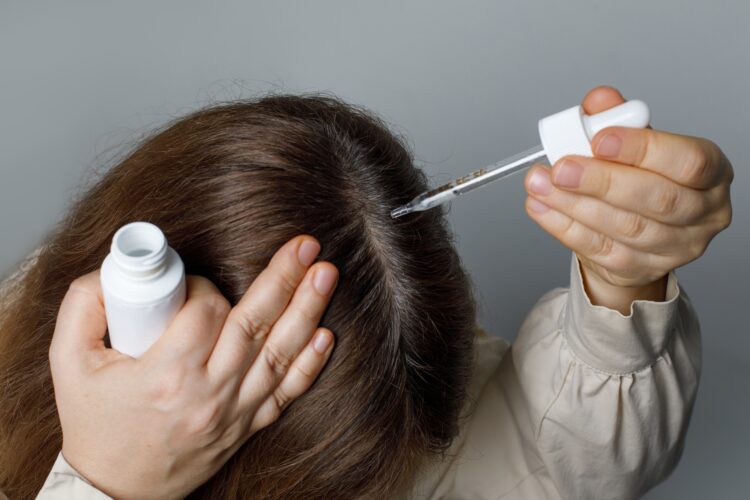
- Use the dropper to put 1 milliliter of the minoxidil solution on the areas of your scalp that need it (or as your doctor says).
- Gently rub the solution into your scalp with your fingertips so it spreads evenly.
- Wash your hands thoroughly after applying the solution. Let it dry completely before you style your hair or go to sleep.
Applying Minoxidil Foam:
- Part your hair to show the spots that are thinning or balding.
- Hold the can upside down and squeeze out about half a capful of foam onto your fingertips.
- Gently rub the foam into your scalp, starting from the middle of the affected spot and moving outwards.
- Wash your hands well after applying the foam.
Tips for Incorporating Minoxidil into Your Routine
Integrating minoxidil into your daily routine may feel tricky at first. However, with a few simple tips, you can make it a normal part of your day. A good way to start is by choosing a time that works best for you. Then, stick to that time regularly.
Some people like to put on minoxidil in the morning after their shower. Others think it is easier to use it at night before going to bed. Try different times to see what fits perfectly into your day.
Keep in mind that sticking to your routine is very important for the best results. You can set reminders on your phone or use an app to track your habits. This can help you remember to use minoxidil and make it a regular part of your hair care routine.
Comparing Minoxidil with Other Hair Loss Treatments for Women
Minoxidil is one treatment option for women who have hair loss. There are other choices too, such as natural remedies, prescription medicines, and procedures like hair transplant surgery.
The right treatment for you will depend on what is causing your hair loss, how bad it is, and what you prefer. It’s important to talk with your doctor about all the treatment options to find the best choice for you.
Minoxidil vs. Natural Remedies
While some natural remedies, like essential oils and supplements, say they can help hair growth, their scientific proof is often weak or limited. Minoxidil, however, is a treatment approved by the FDA. Many clinical studies show that it works well to boost hair growth, especially for androgenetic alopecia.
Natural remedies may attract those who want a more natural way to deal with hair loss. But it’s important to look into them carefully and understand their benefits and limits. Some of these remedies could interact with other medications or cause unexpected side effects. So, it’s a good idea to talk to a healthcare professional.
In the end, choosing between minoxidil and natural remedies is up to you. It depends on your comfort level with nutraceuticals
Minoxidil vs. Prescription Medications
Apart from minoxidil, there are other prescription medicines that doctors might recommend for women’s hair loss. One of these is finasteride. It is mainly approved by the FDA for men. However, some doctors may prescribe it for women after menopause in special cases. Finasteride helps stop the change of testosterone into DHT. DHT is a hormone linked to hair loss.
Another option is spironolactone. This is an anti-androgen medication. It can be considered for women whose hair loss is caused by hormone issues. Spironolactone works by stopping androgens from affecting the hair follicles.
It is important to talk about the possible benefits and risks of these medicines with a healthcare professional. They may not be good for everyone and can have side effects.
Conclusion
In conclusion, Minoxidil is a good choice for women facing hair loss. There are different ways to use it, like topical creams and new oral treatments. Success stories and different strengths of Minoxidil show how well it works. It is important to know the side effects and how to use it correctly to get the best results. Using Minoxidil along with other treatments and considering your personal needs can improve the results even more. Whether you choose natural methods or prescription drugs, Minoxidil is a strong option for treating hair loss in women. Make sure to make smart choices based on your needs, and talk to a healthcare professional for advice that fits you.
Frequently Asked Questions
Can I use men’s Minoxidil if I am a woman?
The active ingredient is the same in both products. However, men’s Minoxidil usually has a higher strength, like 5%. This is more than what is often suggested for women. It is better to use the 2% concentration made for women’s scalps. Also, remember to talk to your doctor for advice that is best for you.
How long does it take to see results from Minoxidil?
It may take time for Minoxidil to show results. Be patient and keep using it consistently. Most people see some hair regrowth within 4 to 6 months of using it regularly. Remember, hair growth cycles are different for everyone, so results may vary.
Can Minoxidil be used for all types of hair loss in women?
Minoxidil mostly works well for androgenetic alopecia, which is female pattern hair loss. However, we don’t know as much about how effective it is for other kinds of hair loss, like telogen effluvium or alopecia areata.
What should I do if I experience side effects from Minoxidil?
If you have any bad side effects from Minoxidil, stop using it right away. If the side effects keep happening or are very serious, contact your healthcare provider for advice.
Can pregnant or breastfeeding women use Minoxidil?
The FDA says that pregnant or nursing mothers should check with their healthcare provider before using Minoxidil. They have not confirmed if it is safe to use during these times.