

Hair Loss vs Hair Shedding
Hair loss and shedding can be distressing, however it is important to understand the difference between the two. While hair shedding is a natural part of the hair growth cycle, hair loss can be permanent and may require intervention. If you are wondering why you are shedding so much hair, and how much is too much, keep reading.
What Is Hair Shedding?
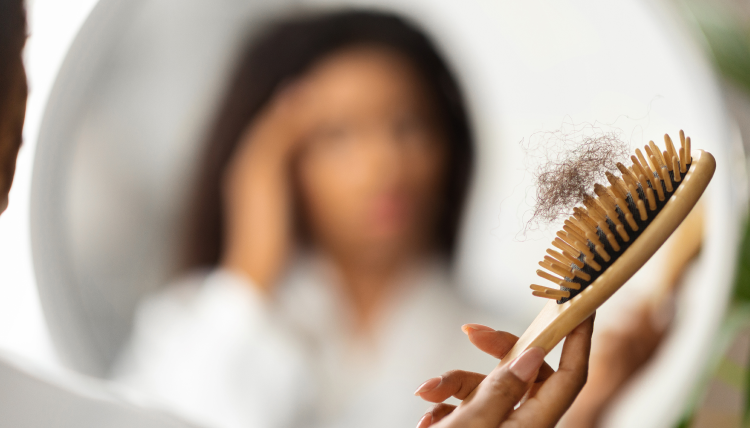
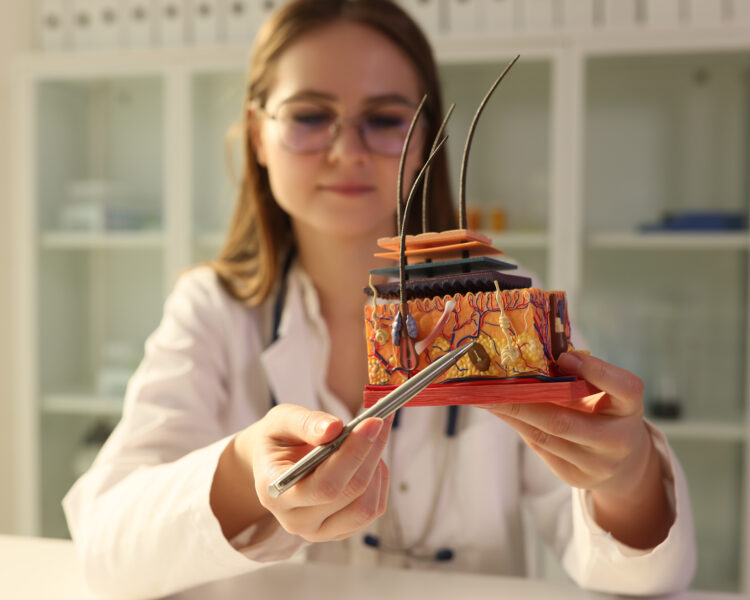
Hair shedding is a normal occurrence. Individuals typically lose 50-100 hairs per day. This shedding is a result of the natural hair growth cycle, where hairs in the telogen (resting) phase fall to make way for new hair growth. Active hair growth is called the anagen phase, and is followed by the catagen phase, in which hair growth slows. The final stage is called the telogen phase. During the telogen period, hair growth stops and the hair lies dormant until it naturally sheds (to be replaced eventually by new strands). Hair shedding is a natural process, and finding white bulbs at the end of the hair shaft is a good sign that it’s part of the normal hair growth cycle. While women tend to lose more hair strands per day than men, there’s no way to measure the difference objectively. Daily heat applications and frequent hair coloring contributes greatly to how much of your hair sheds.
However, excessive shedding, known as telogen effluvium, can be caused by various factors such as stress, weight loss, childbirth, surgery, fever, and discontinuation of oral contraceptive pills. Medications, excessive heat styling, and sun exposure can also contribute to hair shedding.
To prevent excessive hair shedding, it is important to reduce stress levels, keep the scalp hydrated, use UV protection for the hair, avoid harsh hair products and heat styling, and refrain from tight hairstyles or hair extensions. With corrective measures in place, telogen effluvium can come to an end.
What Is Hair Loss?
Hair loss, also known as alopecia, can have multiple causes including genetics, hormonal imbalances, vitamin deficiencies, medications, stress, and medical conditions. The most common type of hair loss is androgenetic alopecia, which is characterized by a genetic predisposition and manifests differently in men and women. Other types of hair loss include:
- Scarring alopecia: scarring of the hair follicles
- Traction alopecia: caused by excessive pulling or tension on the hair roots
- Alopecia areata: an autoimmune disorder that leads to hair follicle destruction
To determine the appropriate treatment for hair loss, it is crucial to identify the underlying cause. Consulting a healthcare provider will help identify the type of hair loss in an effort to develop an effective treatment plan.
When to Seek Professional Help
If you notice excessive hair shedding or signs of hair loss, it is advisable to reach out to a healthcare provider for guidance. They can perform a thorough evaluation, including a medical history review and, if necessary, order further tests to determine the cause of your hair loss. With a proper diagnosis, appropriate treatment options can be initiated to address the underlying cause and to promote hair regrowth.
In Conclusion
Understanding the difference between hair shedding and hair loss is essential to manage hair health effectively. While shedding is a natural part of the hair growth cycle, excessive shedding or hair loss may require medical intervention. By taking preventive measures such as reducing stress, maintaining scalp hydration, and avoiding damaging hair practices, you can minimize hair shedding. If you experience hair loss or excessive shedding, seeking professional help from a healthcare provider will provide you with the necessary guidance and treatment options to address the issue and promote healthy hair regrowth.
Disclaimer
This blog is for informational purposes only and should not replace professional medical advice. Consult with our healthcare professional for personalized guidance and recommendations regarding hair shedding, hair loss, and treatment options.