

The Role of the Hairline
For transgender individuals transitioning from male to female, achieving a feminine appearance is an essential aspect of their journey. One significant aspect of feminization is the transformation of the hairline.
Understanding the Male and Female Hairline
First, it’s important to understand the typical differences between male and female hairlines. Male hairlines tend to have a higher and broader shape, with a slight recession at the temples.
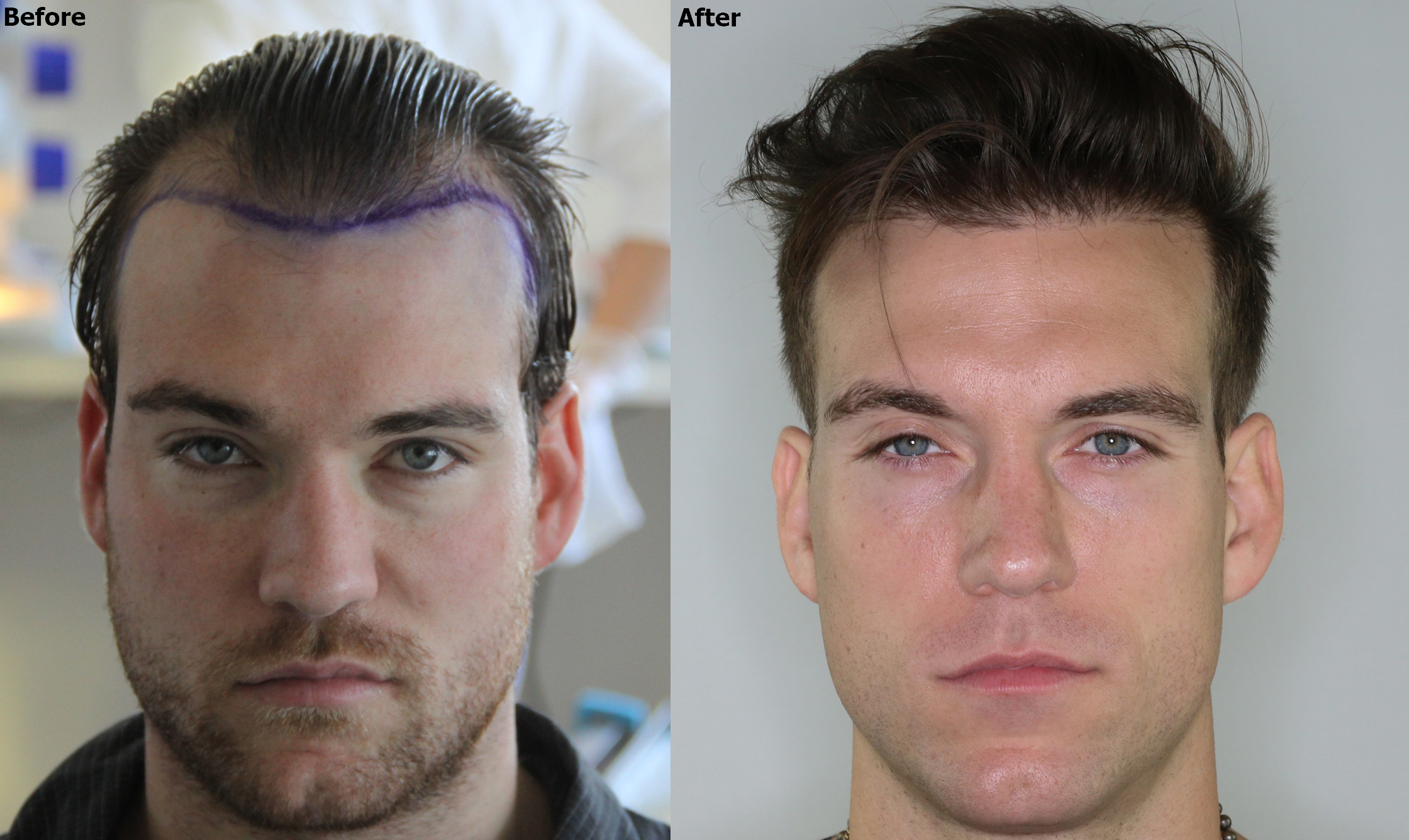
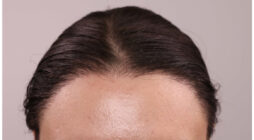
On the other hand, female hairlines are typically lower and more rounded, framing the face in a softer and more feminine way.
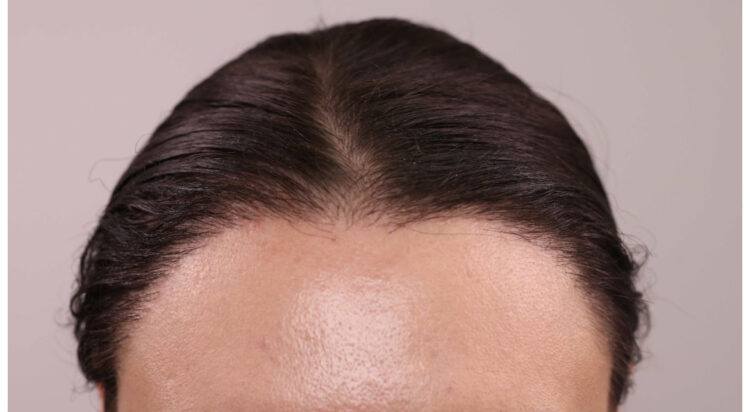
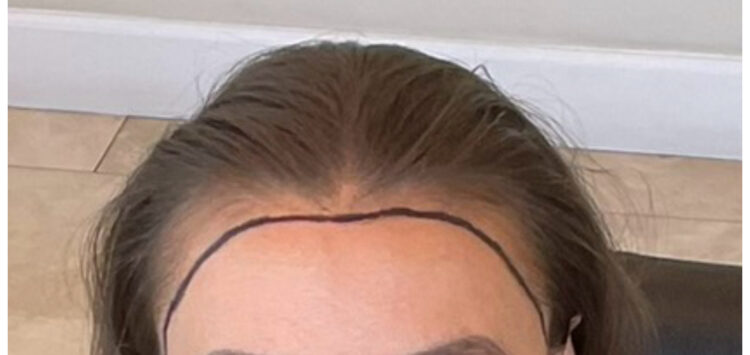
In this blog, we will explore the most effective invasive and non-invasive hairline options available to transgender women to achieve a more feminine hairline.
Hairline Lowering Surgery
For transgender women seeking a more significant change in their hairline, hairline lowering surgery, also known as forehead reduction surgery, can be an option. This surgical procedure involves lowering the hairline by excising (cutting) a strip of scalp and moving it forward, creating the shape of a feminine and proportionate hairline. Though this procedure is effective for its intended purpose, the main disadvantage is visible scarring along the hairline. The downtime for this type of surgery can take weeks to months to recover from.
Hair Transplantation: Follicular Unit Extraction (FUE)
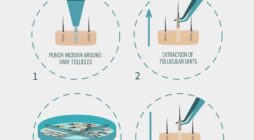
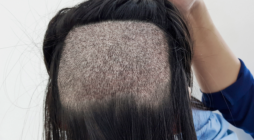
In my opinion, hair transplantation is the best option for achieving a more feminine hairline. Unlike the hairline lowering surgery, Follicular Unit Extraction (FUE) technique involves NO skin excising (cutting) and NO visible scarring. This procedure involves harvesting individual hair follicles from a donor area (typically the back or sides of the scalp) and transplanting them into the recipient area, including the hairline. The transplanted hair follicles will grow naturally, creating a softer and more feminine hairline. Most can return to work within one week of the procedure.
Hairline Design
When considering a more feminine hairline, it is crucial to pay attention to the hairline design. The hairline should be carefully planned to create a natural and aesthetically pleasing appearance. When designing a female hairline, careful consideration is given to the nuances of shape, height, and density to ensure a personalized and natural-looking result. Factors such as age, facial features, and personal preferences are also taken into consideration. The hairline design should blend harmoniously with the individual’s facial structure, resulting in a more feminine and balanced overall look.
Trendy Non-Invasive Options
In addition to surgical procedures, there are non-surgical options available to enhance the appearance of the hairline. These may include hair styling techniques, such as using bangs or layers to create a softer look around the hairline. Additionally, cosmetic products like hair fibers or scalp concealers can provide temporary coverage and density to areas of concern.
In Conclusion
Transformation of the hairline to achieve a more feminine appearance involves trusting your hair transplant doctor and their team. With the help of the Follicular Unit Extraction (FUE) procedure, and an artistic hairline design, transgender women can finally achieve their desired results. It is crucial to consult with hair experts who specialize in transgender hair restoration and can discuss your individual needs and expectations.
Remember, every journey is unique, and embracing one’s true identity is a beautiful and empowering process.