

Healthy hair with facial framing is symbolic of facial attractiveness and youthfulness. The loss of hair, in turn, may impact psychological well-being and quality of life. This disruption in psychological well-being and quality of life is seen in women and men alike. With up to 80% of men and 50% of women affected by androgenetic alopecia alone, the societal impact is robust.
Over the past two decades the field of hair restoration has advanced tremendously. Part of this advance is a consequence of improvements seen in hair transplantation surgery, specifically follicular unit extraction (FUE). FUE, when performed appropriately, brings the potential to restore, and/or revamp hair line and beyond. In doing so it also brings the potential to mitigate the psychological and quality of life disturbances that may occur as a result of hair loss.
Why Hasn’t Hair Transplantation Caught on in Women?
Market education is the biggest hurdle for hair transplantation. Prevailing perception remains with the “doll head” outcomes of 1980s hair plugs technology. Women are less likely than men to believe that hair transplantation is an option for them. Yet, women are willing to spend more than men would on a solution to resolve their hair needs. The result? Further market education should see an increase in women receiving hair transplantation from 2024-2027.
This increase in gender-specific utilization will produce gender-specific advances in the field of hair transplantation. Given the low number of women hair transplant patients historically, practitioners have largely developed practices based on male dominated patient basis. In 2019, 735,000 hair transplant surgeries were performed worldwide. A report from 2022 found that only 13% of those were performed on women.
Practitioners need to develop mechanisms to perform no-shave procedures, optimize transection rates, achieve natural density and adjust hairline and temporal angle designs to reflect best practices for female facial dimensions.
Case Study: FUE 1200 Graft Hairline and Temporal Restoration

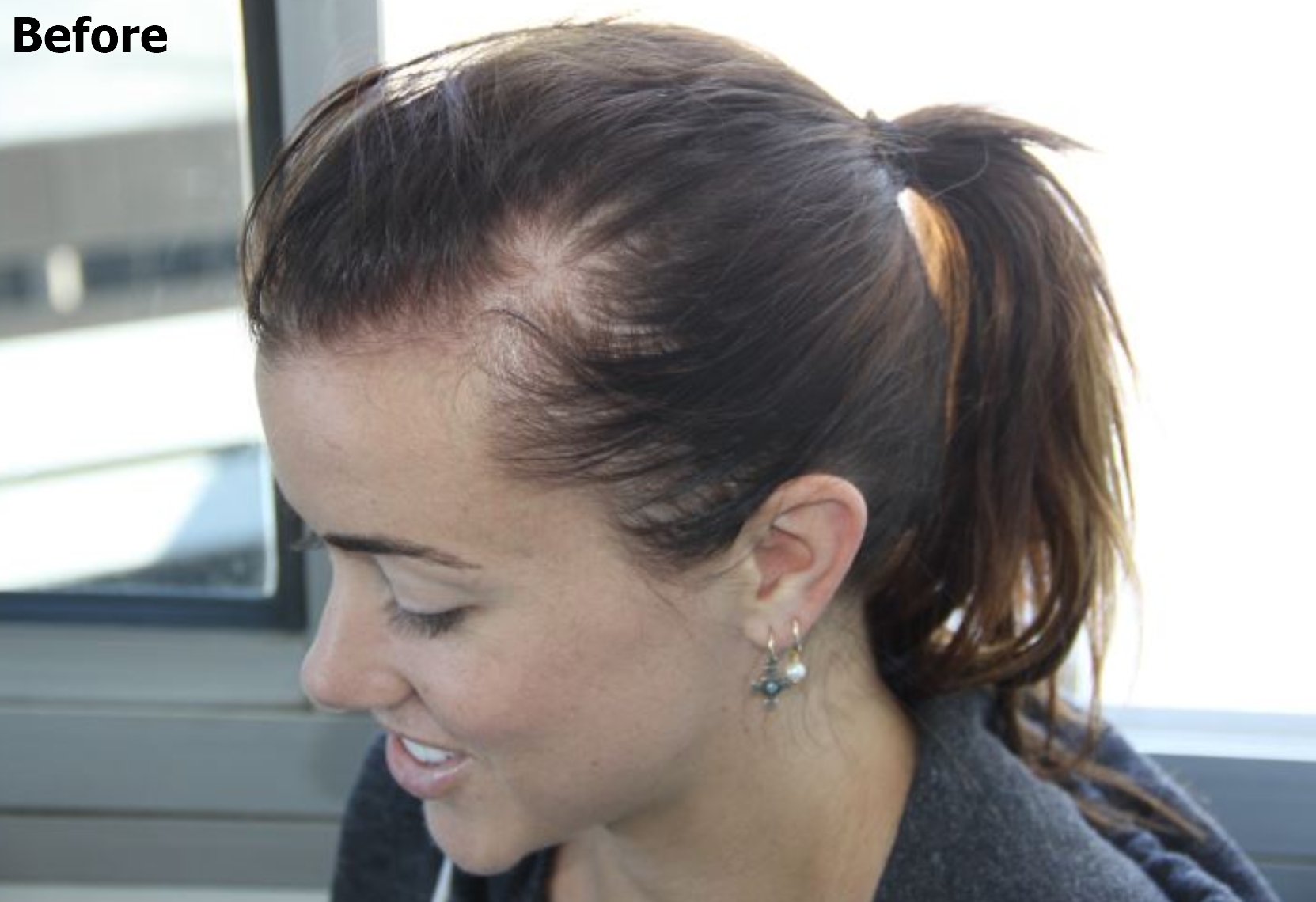
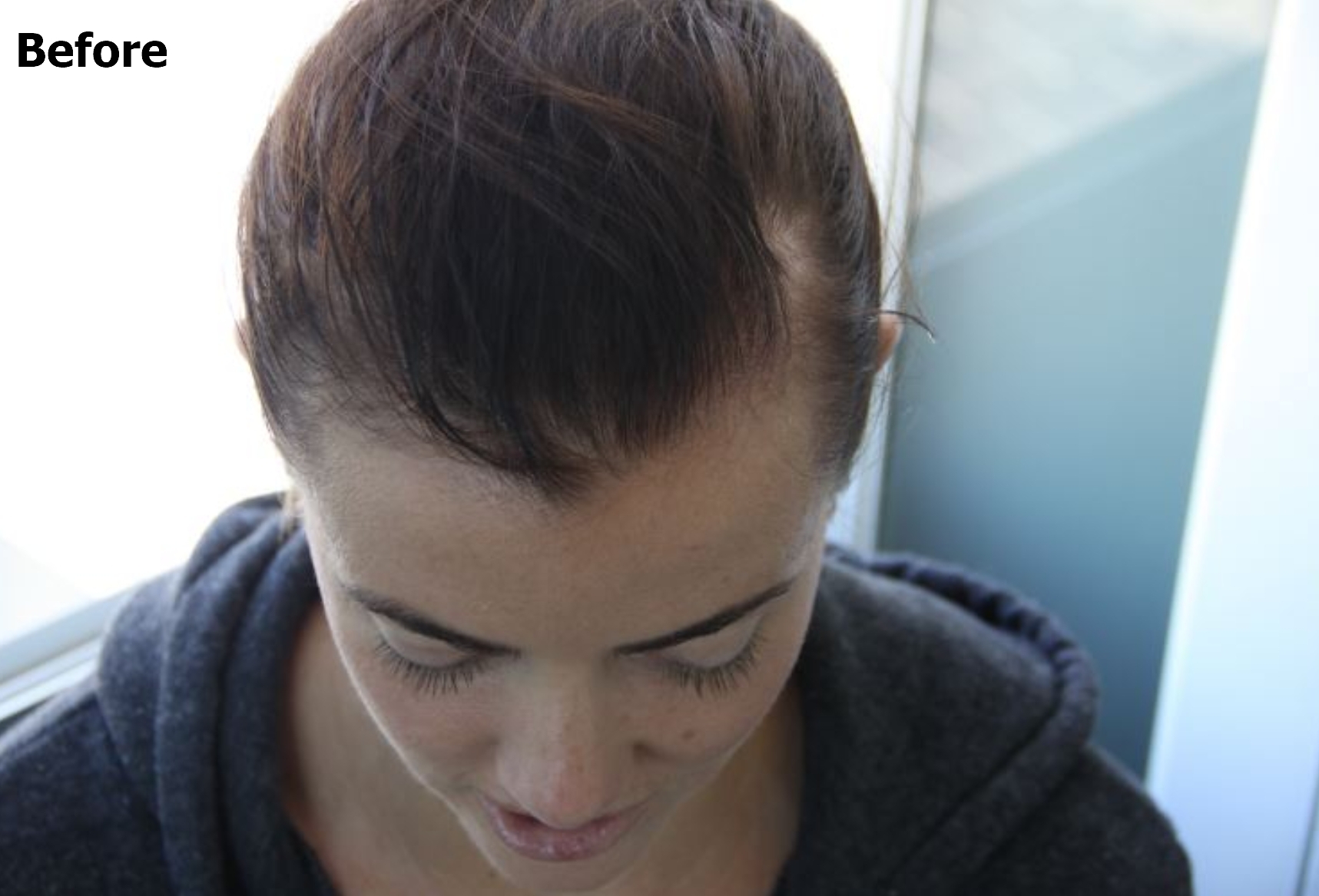
This patient experienced early Female Pattern Hair Loss with miniaturization of follicles along temporal angles and parietal hump, along with some frontal thinning through the center.
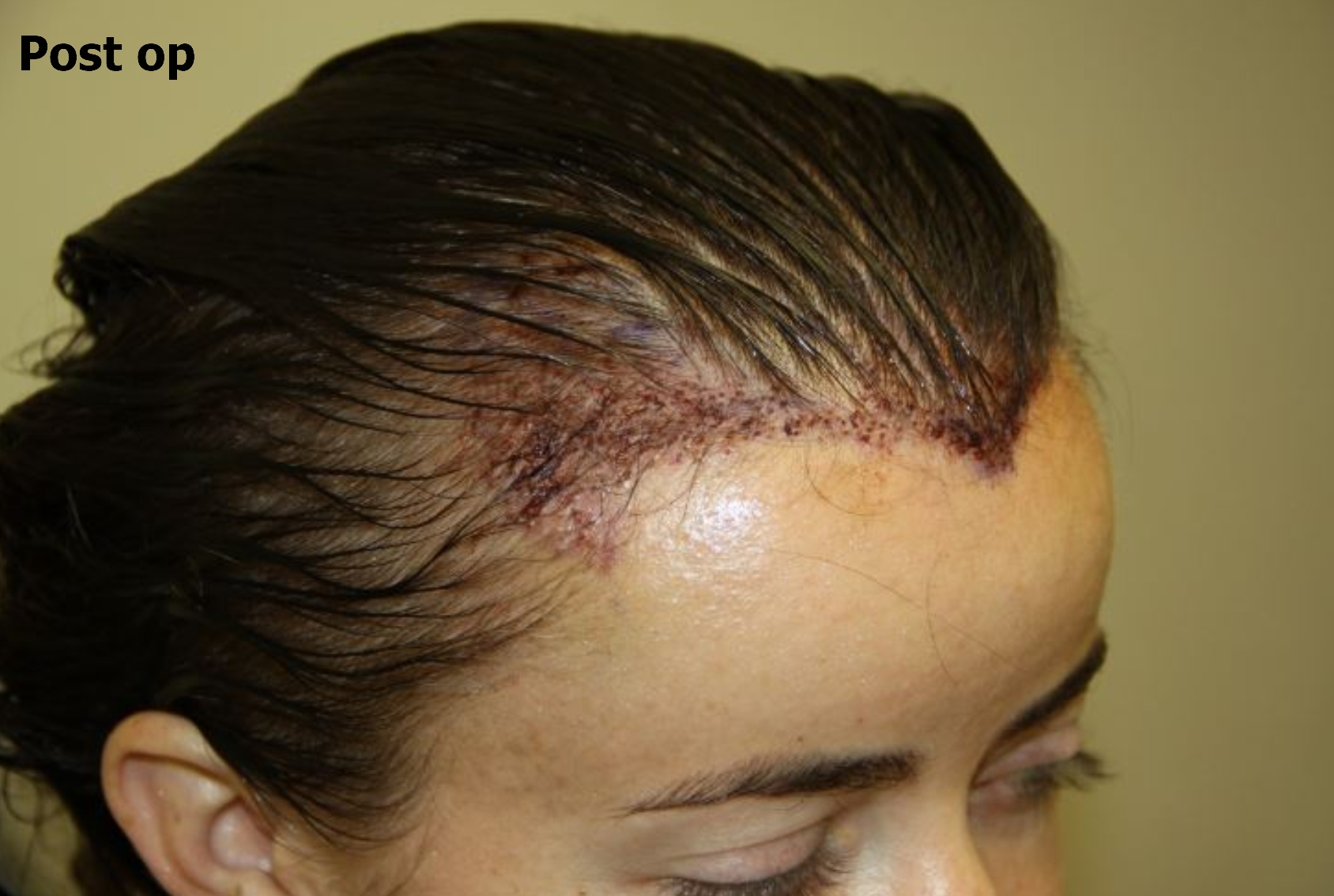
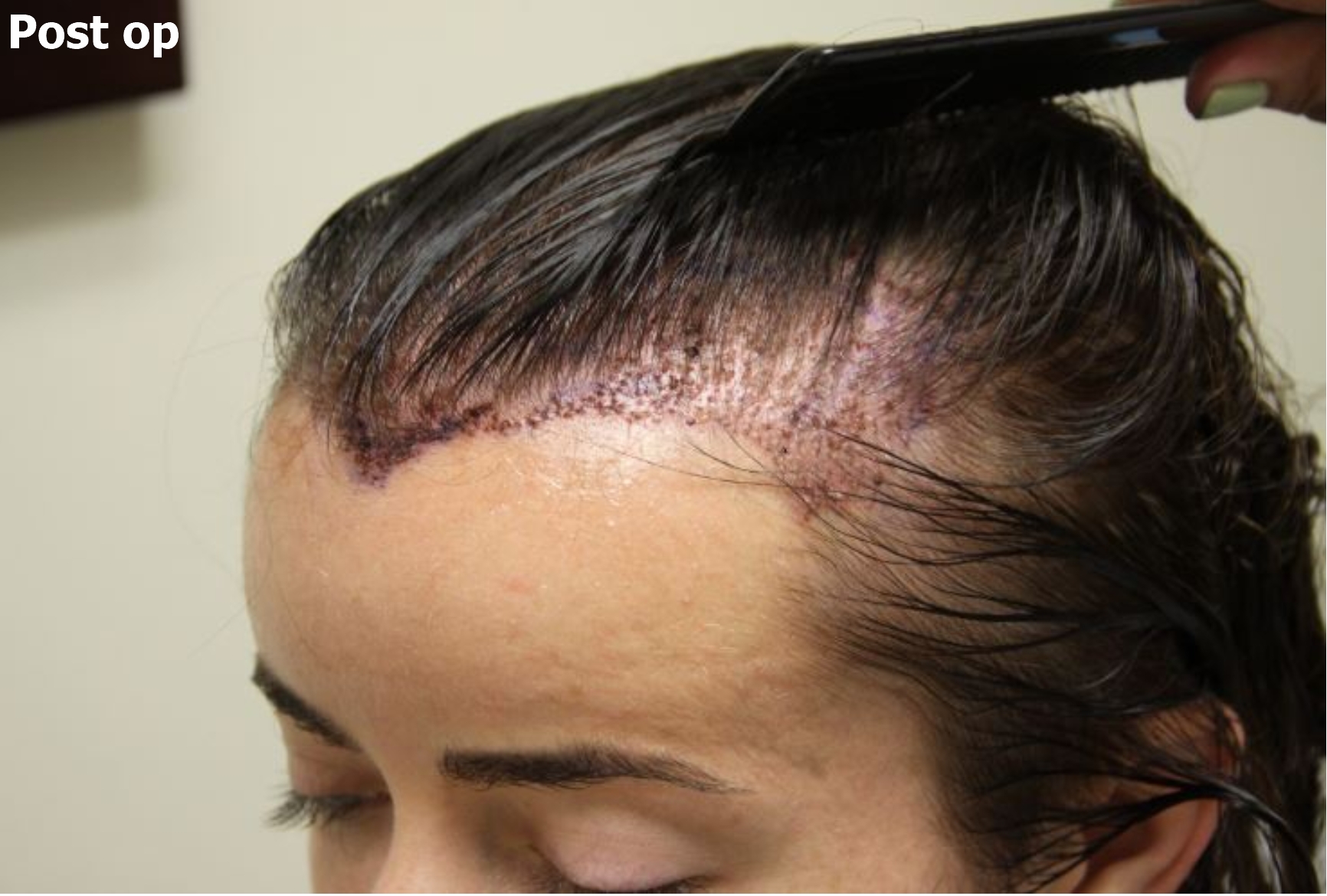
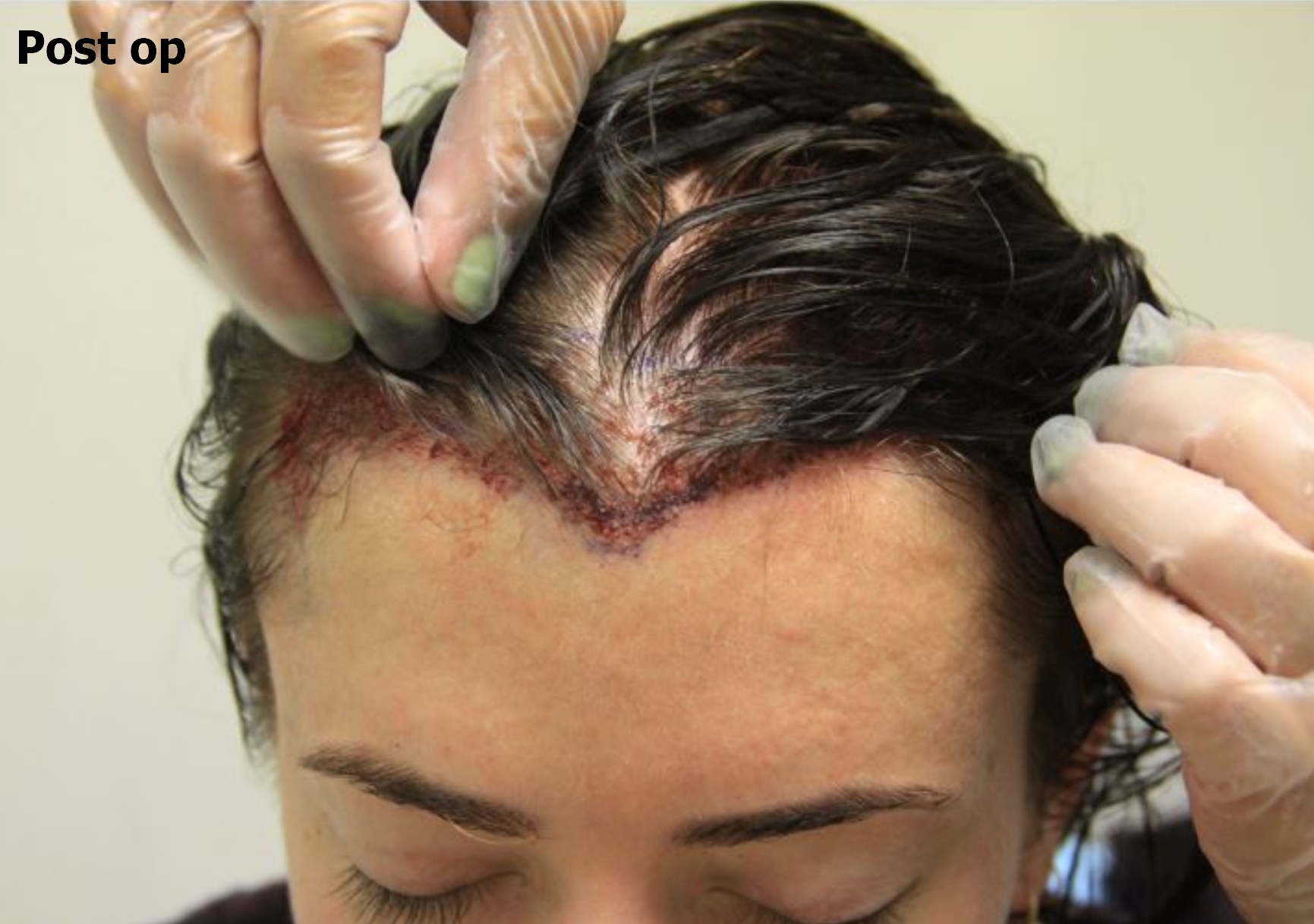
Patient’s goal was to restore her hairline and volumize her hair. She received 1,200 grafts between both temples and hairline. Grafts are strategically placed to optimize naturalness of hair flow.

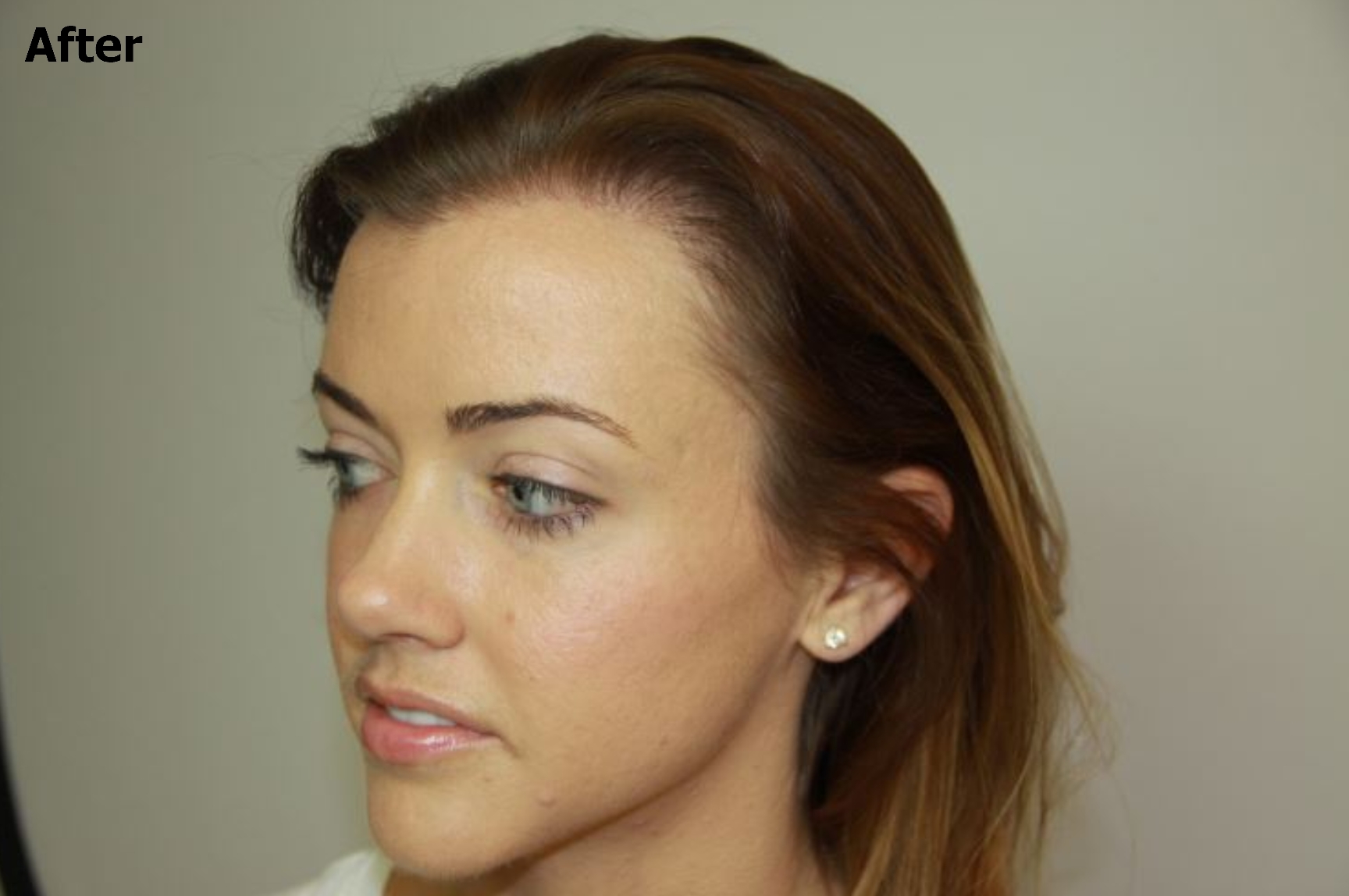
The results respected the patient’s facial dimensions. Micro-asymmetries give a sense of naturalness. Note the direction and angle of the implanted hairs in the temporal region, matching the natural angle and direction of the native hair. Lowered hairline both centrally and in the temples optimizes facial dimensions anteriorly and laterally, respectively. Minimal future proofing was also performed should there be more regression.
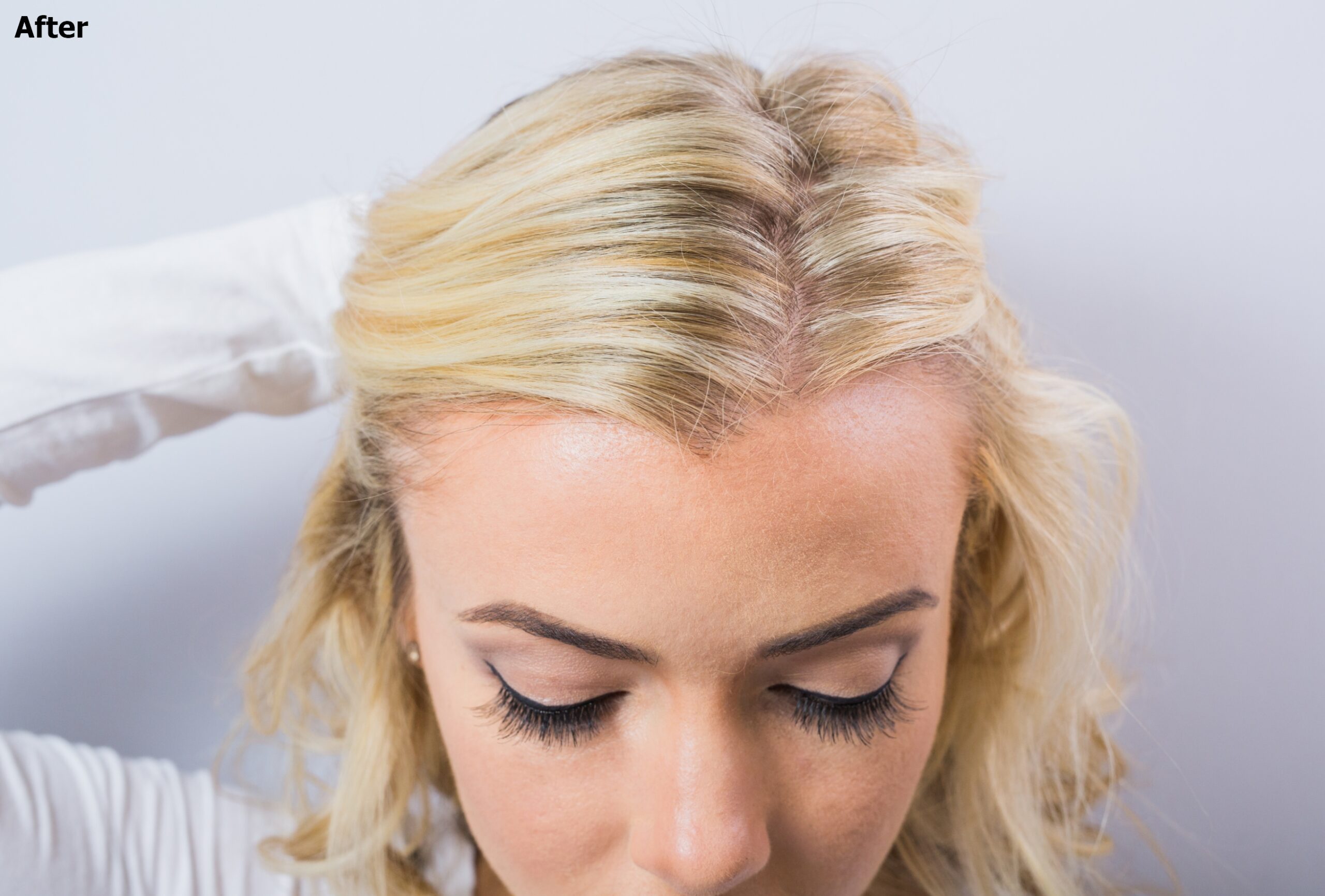
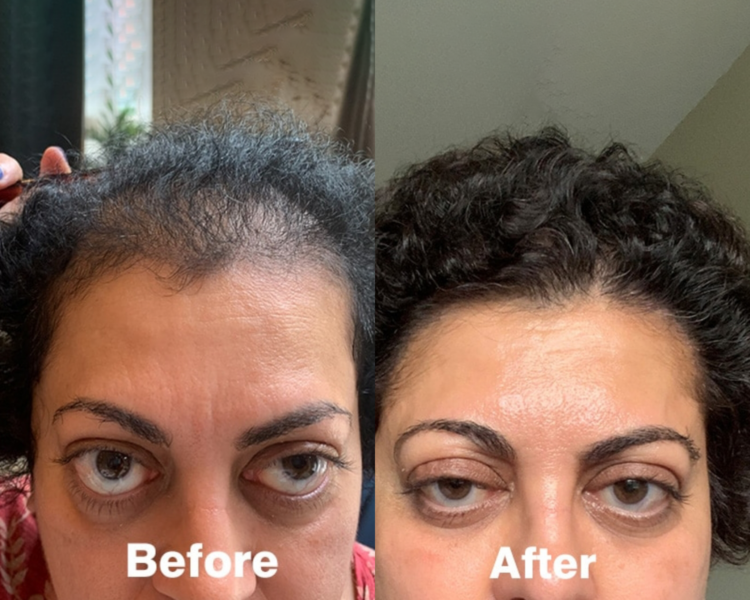
Case Study: 3,000 Grafts for Treatment of Female Pattern Hair Loss
This patient experienced follicular miniaturization that is reflective of FPHL. Prior to the procedure, she tried various medical therapies and used cosmetics for camouflage. The patient received 3000 grafts in the hairline, front and mid-scalp. She also received exosomes treatment on the full scalp.
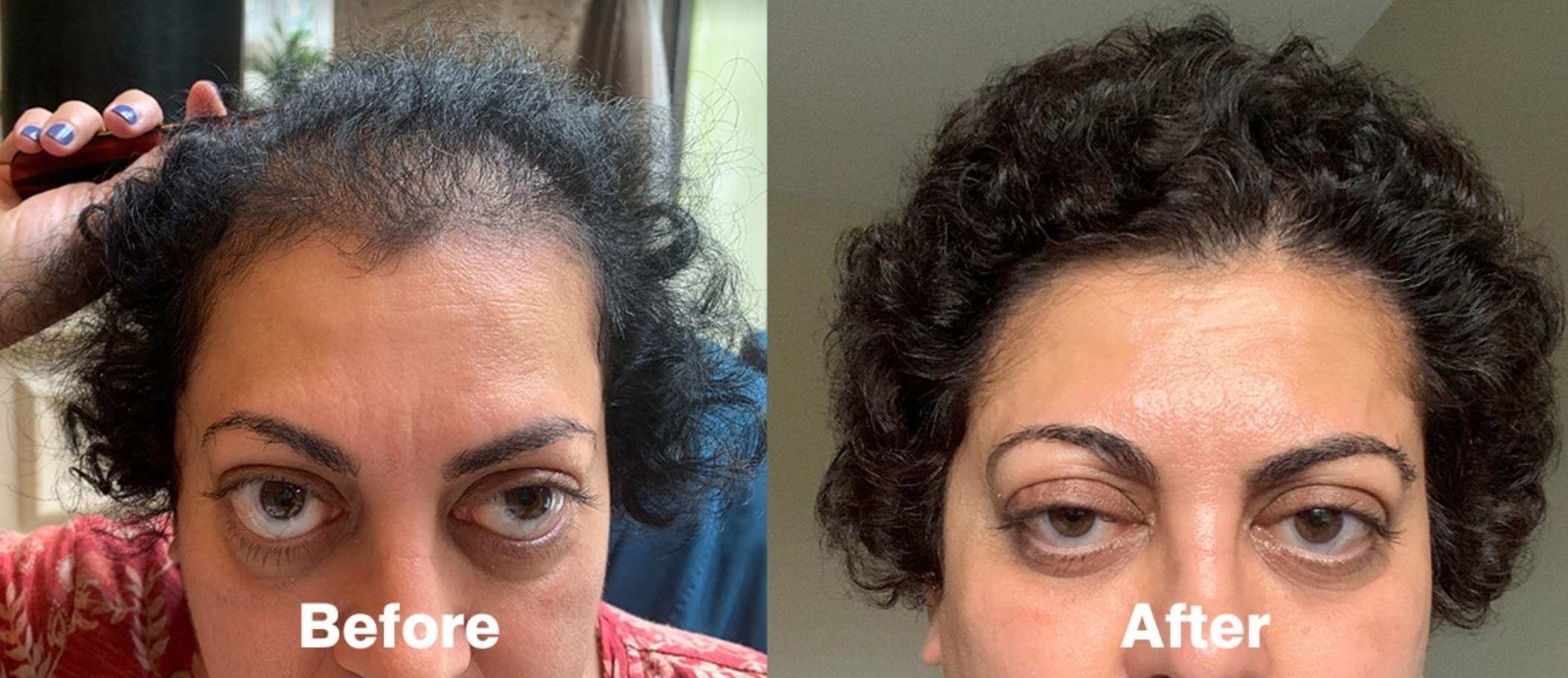
Case Study: Temple Restoration
Temple recession is a normal part of Female Pattern Hair Loss often occurring early. Its occurrence may disrupt facial dimensions and flow ultimately affecting the perception of attractiveness. Restoring the temples will frame the face thereby bringing facial youthfulness.
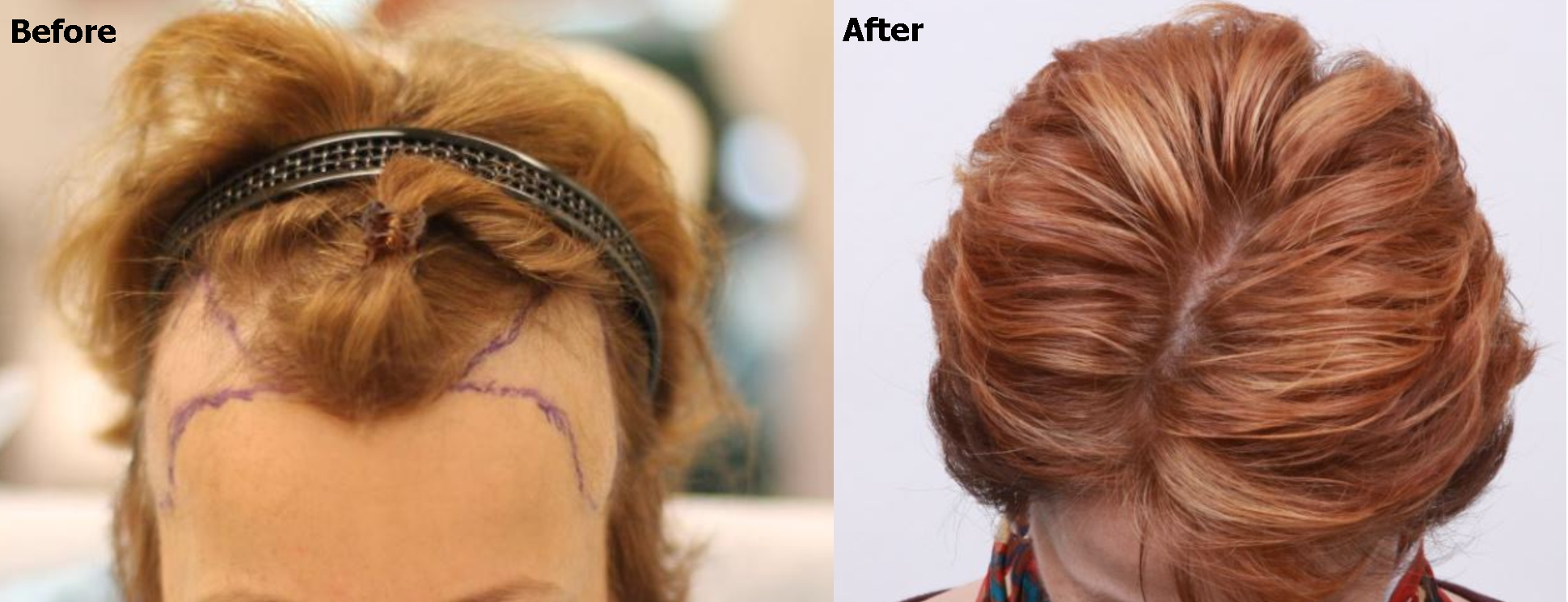
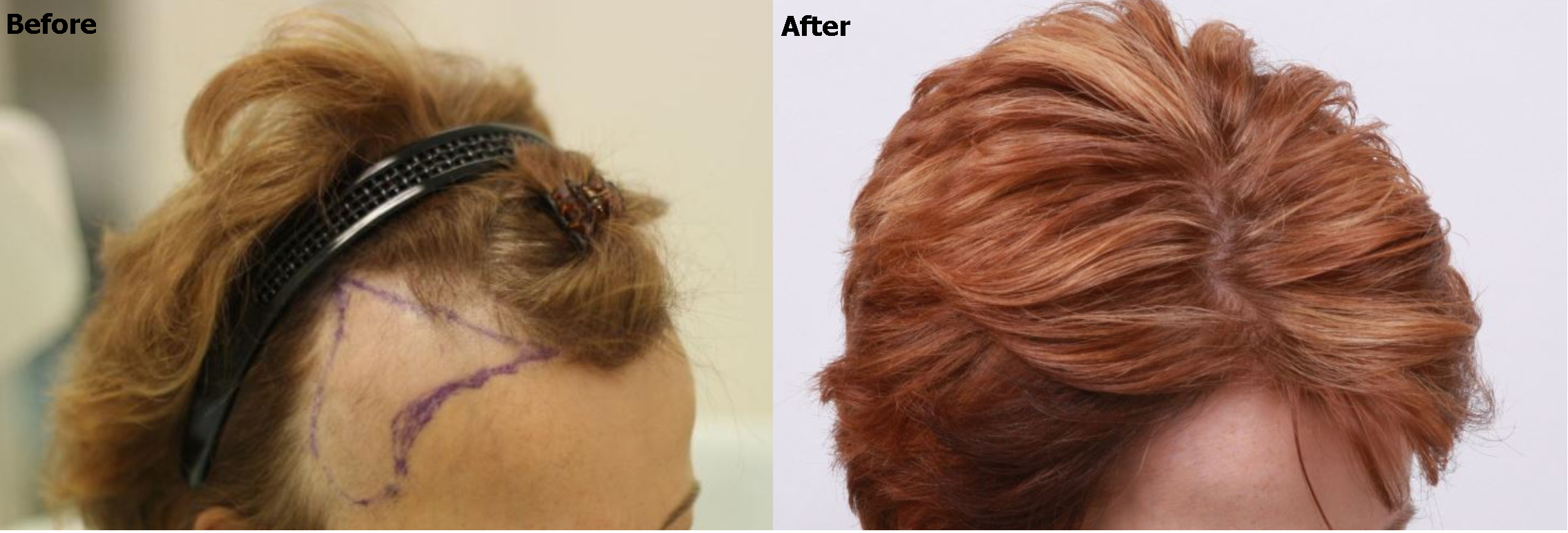
Temporal angles are a technically difficult region to implant into. Practitioners need to be experienced and agile enough to create hair angles near completely flat. With diligence, proper respect to facial dimensions a natural, artistic outcome can be achieved.
In Conclusion
The field of hair restoration has come a long way with hair transplants in modern day resulting in more natural outcomes. Despite these available solutions there remains a societal knowledge gap on the technology which limits access. This is particularly evident in women as only 13% of hair transplants internationally are thought to be performed on women. As more women become consumers, practitioners will need to gain expertise in female hair design to optimize gender-specific techniques.
Among the categories which will be pivotal to achieve optimal results are implementation of gender specific design features, optimization of transection rates, increased access to no shave procedures and ability to achieve natural density levels.
Sources
Knoedler, Let al. Hair Transplantation in the United States: A Population-based Survey of Female and Male Pattern Baldness. Nov 2023. 11(11):e5386
International Society of Hair Restoration Surgery. 2022 Practice Census Results. Available at https://ishrs.org/wp-content/uploads/2022/04/Report-2022-ISHRS-Practice-Census_04-19-22-FINAL.pdf.
All pictures courtesy of AlviArmani International. All rights reserved. 2024.