

Hair loss is a difficult issue for women, frequently impacting their self-esteem and confidence. While men are frequently linked with hair transplant treatments, women are less likely to address hair loss with a hair transplant procedure. Follicular Unit Extraction (FUE) has emerged as the most popular approach for hair transplants due to its minimally invasive nature, natural-look results, and compatibility for women’s specific hair loss patterns. This blog investigates why FUE is the best option for women seeking hair restoration, including its process, benefits, and long-term results.
Understanding FUE and Its Technique
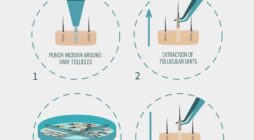
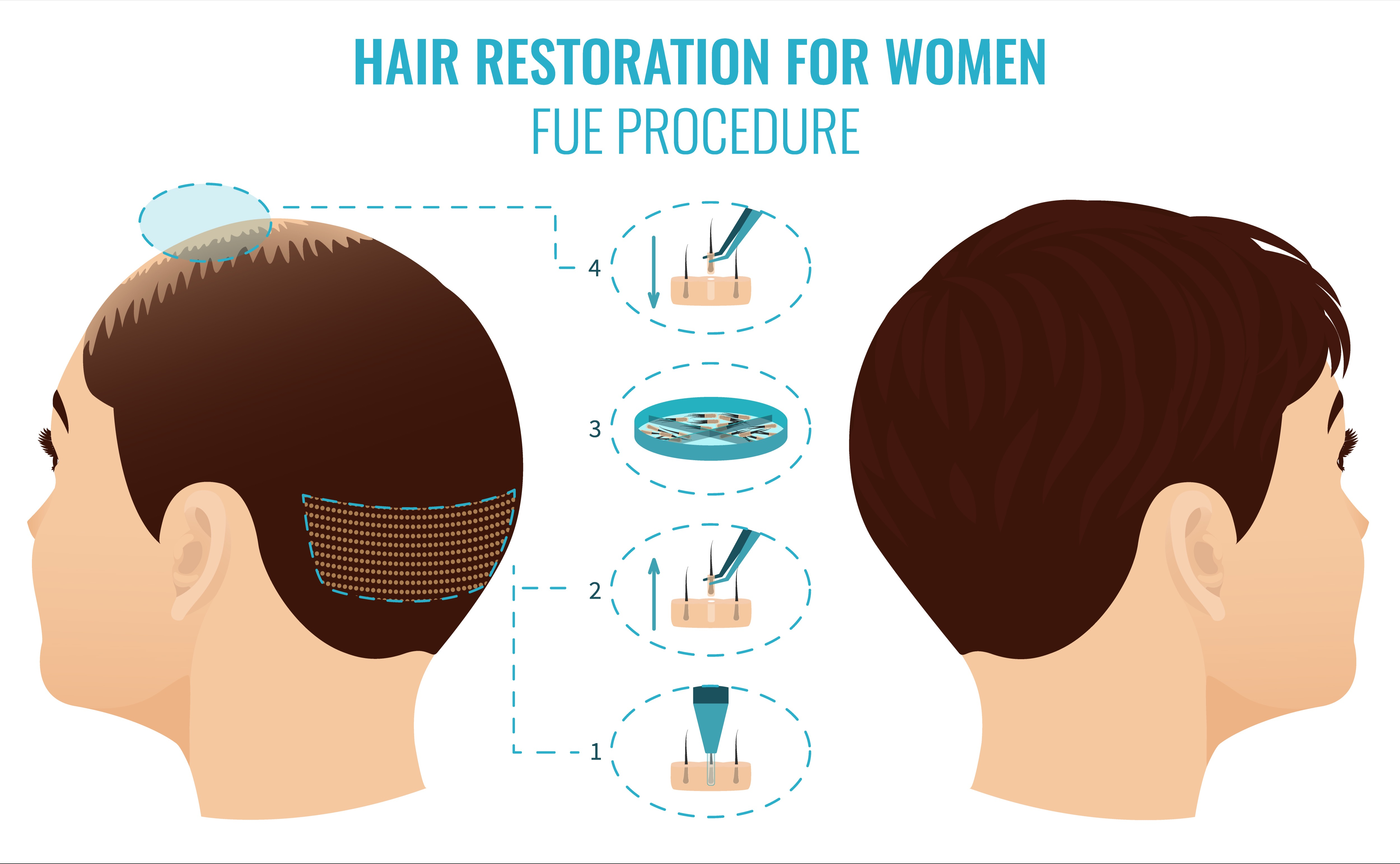
Follicular Unit Extraction is a contemporary hair transplantation surgery in which individual hair follicles are removed from the donor area (typically the back or sides of the scalp) and transplanted to areas of hair loss. Unlike its predecessor, Follicular Unit Transplantation (FUT), which removes a strip of scalp, FUE extracts follicles one at a time using micro-punch instruments. These follicles are then implanted precisely to mimic normal hair growth patterns. This rigorous procedure reduces scarring and achieves exceptional accuracy in restoring a natural hairline.
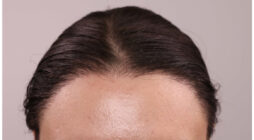
Female pattern baldness is often diffuse, with thinning scattered across the scalp rather than concentrated bald patches or receding hairline as seen in men. FUE efficiently accommodates this pattern, allowing follicles to be strategically placed in areas of hair loss. This makes FUE especially beneficial for women.
What Are The Advantages of FUE For Female Hair Transplants?
The FUE process has various advantages, making it ideal for female hair transplant surgery. These benefits are especially important when you consider the specific concerns and expectations that women have about hair transplants.
1. Minimally Invasive and Less Scarring
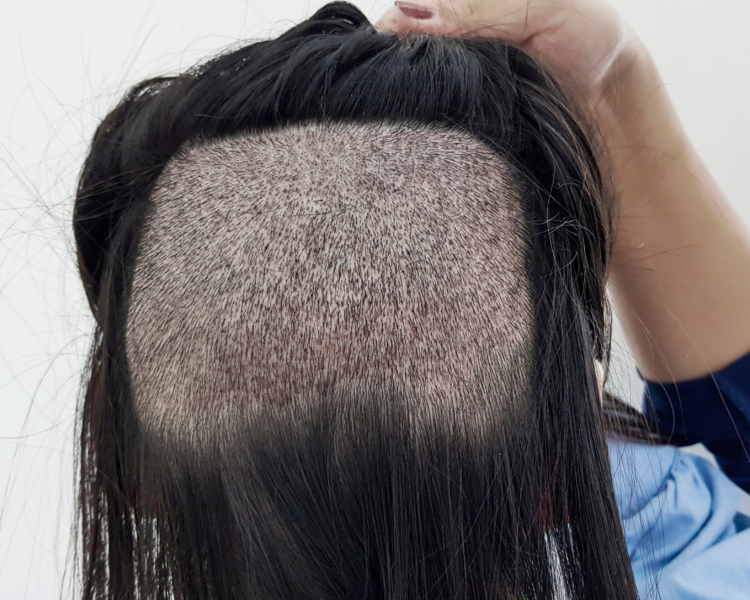
One of the most noticeable advantages of FUE is its minimum invasiveness. The micro-punch tools used in FUE leave small, dot-like scars that are unnoticeable in the donor area, even with short hair. This differs significantly from FUT, where the hair transplant surgeon creates a linear scar across the donor area. Women who choose to wear their hair in a variety of lengths and styles benefit from the lack of visible scars. The absence of major wounds in the donor area and less scarring which shortens recovery time. This allows the patient to resume normal activities sooner.
2. Natural-Looking Results
Achieving natural-looking outcomes in hair transplants is critical, especially for women. The FUE process in removing and implanting individual follicles ensures that transplanted hair blends perfectly with the hair of the donor site. Skillful hair restoration surgeons will meticulously replicate natural hairlines, including the density and direction of natural development. This thorough process gives ladies results that are almost indistinguishable from their natural hair, boosting their confidence without calling attention to the surgery.
3. No Need for Shaving the Entire Head
In contrast to certain transplant procedures that involve shaving the entire donor area, FUE allows for focused extraction without shaving vast areas of the scalp. This feature is especially important to women because it allows them to keep their existing hairstyles throughout the process. The donor area can be camouflaged by surrounding hair strands, making the treatment more invisible and less detrimental to their appearance.
4. Ideal for Addressing Diffuse Thinning
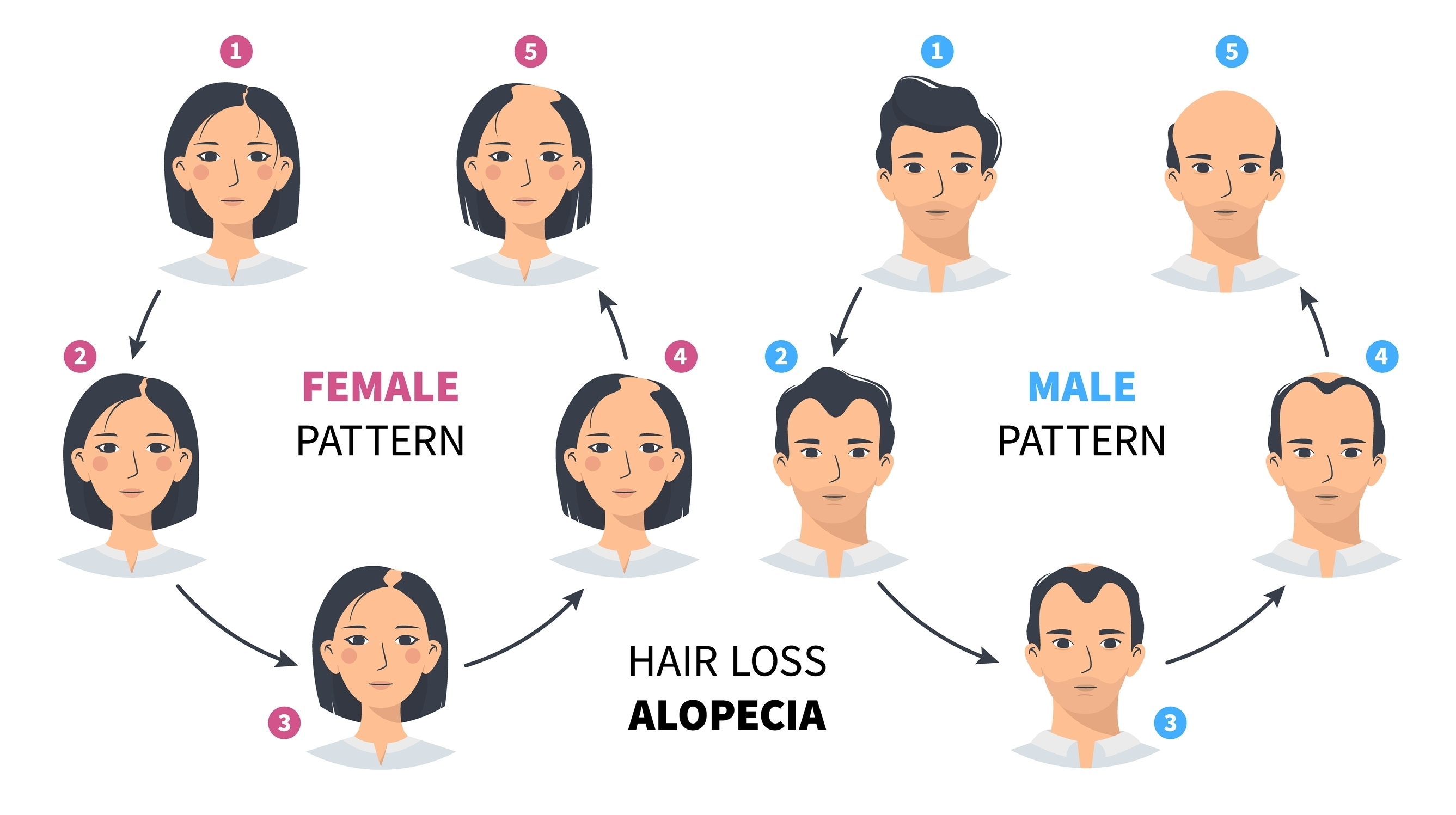
Women often experience diffuse hair loss, which occurs throughout the scalp rather than in discrete spots. Individual follicles can be implanted to thinning areas without impacting the donor area’s density, making FUE an excellent choice for correcting this pattern. The FUE method enhances hair restoration, particularly in hairline design.
5. Faster Recovery and Minimal Discomfort
FUE hair transplant has a shorter recovery period than FUT. Patients report less discomfort, swelling, and downtime due to the less invasive nature of the FUE surgery. Women can resume their normal activities in a matter of days, which is especially advantageous since women have more professional and personal obligations.
6. Long-Term Hair Restoration
Follicular Unit Extraction gives long-term results because it uses hair follicles that are genetically resistant to hair thinning or balding. These transplanted follicles continue to produce hair in treatment area, providing generally permanent remedy to hair loss. For women, this means that their hair regrowth will stay healthy and beautiful for years to come, avoiding the need for recurring treatments or intrusive operations.

Why FUE Outshines FUT for Hair Transplant For Women
While both FUE and FUT are effective hair transplant techniques, the suitability edge goes to FUE for women due to a number of fundamental characteristics. FUT involves removing a strip of scalp, which will leave a more visible scar and need a longer recovery period. For ladies who want to wear their hair long or in fashions that expose an area of the scalp, this scar can be a major disadvantage. In contrast, FUE is a more appealing alternative for women’s hair transplants because it leaves less scars and heals faster.
In addition, FUT frequently involves shaving the donor area, which can be upsetting for women. The FUE flexibility, which allows for unshaven or partially shaved operations, allows women to preserve their beauty during and after the procedure. This aspect alone makes FUE the recommended procedure for female patients.
Candidacy for FUE in Women
Although FUE is a great choice for many women, it is crucial to assess candidacy with an initial consultation with a skilled surgeon. Women with hair loss such as female pattern hair loss (FPHL), Tractional alopecia, or hair loss due to childbirth are candidates for FUE. However, patients with other major diseases such as cancer with insufficient donor hair may not qualify for this procedure. Individuals with insufficient donor area can be pre-treated with procedures such as platelet-rich plasma (PRP) therapy, to rectify the situation.
It is critical for women to maintain reasonable expectations. Follicular Unit Extraction procedure considerably increases hair density and look, but it cannot regenerate a complete head of hair. A professional surgeon can create a personalized treatment plan that includes hair restoration for all types of women’s hair loss. Also create a hairline design that will give a more softer and feminine appearance.
Post-Procedure Care and Results
The effectiveness of a FUE transplant is dependent not only on the surgeon’s expertise, but also on post-operative care. Women having FUE should carefully follow their surgeon’s recommendations, which include cleaning the scalp, avoiding intense activity, and covering the transplanted area from sunlight. Proper care ensures that transplanted follicles grow and that the results are long term.
Most women have noticeable hair growth three to four months after the surgery, and this process will continue up to about 18 months. The freshly transplanted for women to look their best and as well as allowing them to style their restored hair as desired.
Conclusion
In terms of hair restoration and design, Follicular Unit Extraction (FUE) is the most effective procedure for female hair transplants. Its minimally invasive nature, ability to address diffuse thinning, and ability to produce natural-looking hair make it an excellent option for women to treat their hair loss. Compared to older procedures such as FUT, FUE produces better results with less scarring, faster recovery, and greater discretion.
For ladies suffering from hair loss, FUE offers a revolutionary option that restores not just their hair but also their sense of self. As procedures evolve, FUE remains the gold standard in female hair transplant, providing hope and long-term outcomes for great looking hair.
Sources
International Society of Hair Restoration Surgery. (2023). Female hair loss treatment options. Retrieved from https://www.ishrs.org
Gupta, A. K., Charrette, A., & et al. (2016). A review of hair transplantation techniques: A focus on follicular unit extraction. Journal of Cutaneous and Aesthetic Surgery, 9(3), 135–139. Retrieved from https://www.ncbi.nlm.nih.gov
Rassman, W. R., Pak, J. P., & Kim, J. (2015). Minimally invasive hair restoration: The rise of FUE techniques. PubMed. Retrieved from https://pubmed.ncbi.nlm.nih.gov
Pathomvanich, D., & Imagawa, K. (2020). Designing the female hairline in modern hair restoration surgery. Aesthetic Surgery Journal, 40(7), 665–672.
Hasson & Wong Hair Transplant Clinic. (2023). FUE for women: Addressing hairline and diffuse thinning. Retrieved from https://hassonandwong.com
RealSelf. (2023). Female hair transplant before-and-after case studies. Retrieved from https://www.realself.com
AlviArmani.com Female Hair Transplantation