
Hair Transplants for Women
Can Women Get Hair Transplants?
The short answer: yes. While the hair transplant industry has historically targeted men, recent advancements make female hair restoration a viable option. Hair transplants for women can be a confidence boosting solution when dealing with female pattern hair loss (FPHL) or other types of alopecia. Women often assume because they have global hair thinning that they are not candidates. This is far from the truth! With improving technology and research, women may now be viable candidates for hair transplantation surgery. Female hair restoration procedures are now less invasive and can result in a more natural looking head of hair than historic practices.
Hair Transplant For Women: Procedure Types
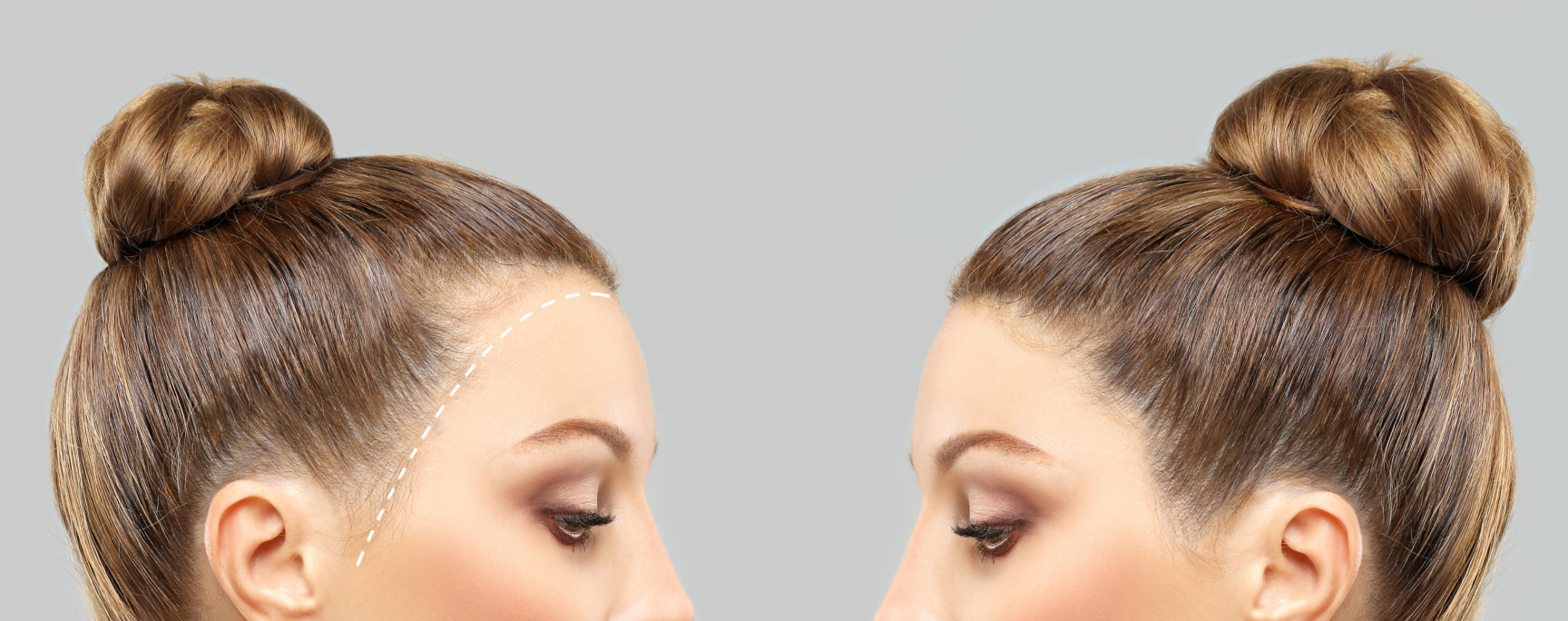
There are two common types of transplant procedures: FUE (Follicular Unit Extraction) and FUT (Follicular Unit Transplant). Modern procedures take into account:
Hair design
How you want your hair, and you, to look.
Hair restoration
How to gain desired fullness, leading to a natural outcome.
With improved technology, design and restoration are now prevalent parts of the transplant process. While restoration expertise is becoming prevalent, the art and science of design is less commonly focused on by practitioners. Design becomes particularly important as it relates to the hair line and facial framing. Any patient interested in a hair transplant for women should research their particular features and potential complementing designs.
Follicular Unit Extraction (FUE)
Follicular Unit Extraction (FUE) is a sutureless procedure done by removing individual hair follicles from the side and back of the head (donor site) and moving them to another part of the scalp (recipient area) where new hair growth will occur.

How Are Transplants The Same or Different In Men and Women?
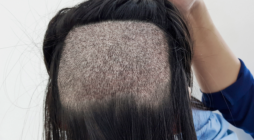
For men, generally the whole head is shaved. For women, a small portion of the scalp is exposed as a donor region. This region is hidden with existing strands post surgery, this procedure is referred to as a no-shave procedure. For most candidates, and depending on clinic skill, 1-4 sessions are required to create the desired outcome.
FUE: What to Expect
Assessment
Conducted by a hair transplant physician to determine if the patient is a potential candidate for a female hair transplant. If candidacy is confirmed, the procedure moves forward. The most significant consideration aside from age (too young) and precluding medical conditions, is sufficiency of donor hair.
Hair design and consultation
Candidates work with the physician to determine design and desired outcome. Risks and benefits of concomitant hair treatments such as benefits in the healing process from prp treatments are reviewed and decided on.
Procedure
- Haircut: Donor area is created
- Anesthesia: Relevant scalp areas undergo a local anesthetic in preparation of surgical procedure
- Harvesting: Follicles are harvested from donor area- side and back of the scalp
- Graft Preparation: Grafts are cut and bathed in solution to optimize growth
- Incisions: Recipient sites are prepped for donor follicles
- Implantation: Donor follicles are implanted into the recipient area
Post-op
Recovery tends to be quick, with most patients returning to their typical routines in 1-2 days. After the procedure is completed, expect to have on-going assessment of hair growth. Transplanted hair will begin to sprout around 2-3 months and will continue up to 18 months.
Are You A Good Candidate For Female FUE?
Check out this FEMALE FUE HAIR TRANSPLANT CANDIDACY CALCULATOR for insights.
Follicular Unit Transplant
Follicular Unit Transplantation (FUT) is performed by removing a donor section from the back of the patient’s scalp that is closed by sutures. The follicles on the donor portion are separated and individual follicles are implanted in the recipient area.
FUT: What to Expect
Conducted by a hair transplant physician to determine if the patient is a potential candidate. If candidacy is confirmed, the procedure moves forward.
Procedure
- Anesthesia: Relevant scalp areas undergo a local anesthetic
- Removal: Donor area is prepped and a strip of follicles are removed from the scalp
- Harvesting: Follicles are harvested
- Graft Preparation: Grafts are cut and bathed in solution to optimize growth
- Incisions: Recipient sites are prepped for donor follicles
- Implantation: Extracted follicles are implanted into the recipient area
Recovery is significant and requires care of the wound as well as the new hair. Female patients may prefer FUE given the onerous recovery of FUT. However, more clinic’s are familiar with this procedure and the cost is generally less than FUE. After the procedure is completed, expect to have on-going assessment of hair growth.
Potential Benefits of Female Hair Transplantation
Hair transplants aren’t just for guys. Many women are choosing this path to fight hair loss and get back that confidence. Let’s explore how hair transplants for women can make a big difference in their lives.
Natural Appearance
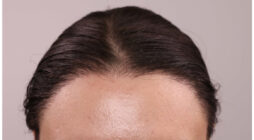
Getting a hair transplant can recreate a natural-looking hairline, making you feel like yourself again. How? Surgeons carefully place each hair follicle, mirroring the natural patterns and direction of your original hair. This attention to detail ensures a natural look, so no one will ever know unless you tell them!
Permanent Solution
Unlike other temporary fixes like wigs or hair extensions, a hair transplant offers a permanent solution.
Boost in Confidence
Let’s face it—losing hair can impact how you feel about yourself. But after a successful transplant, many women experience a significant boost in self-esteem. You start to see a reflection of your vibrant self in the mirror, which can be life-changing.
Custom Tailored Procedures
Every woman’s hair loss pattern is unique, and that’s why these procedures are tailor-made. Whether you’re dealing with thinning hair on the crown or a receding hairline, the process can be customized to suit your individual needs. The surgeon examines your hair growth pattern and density, ensuring the results are seamless and perfectly personalized.
How Much Does Female Hair Transplant Surgery Cost?
There are several factors impacting hair transplant cost including the type of procedure and the number of hair grafts required to meet the desired design and hair restoration scope. The cost of female hair transplant surgery is typically within the range of $4,000 – $50,000.
Picking The Right Clinic
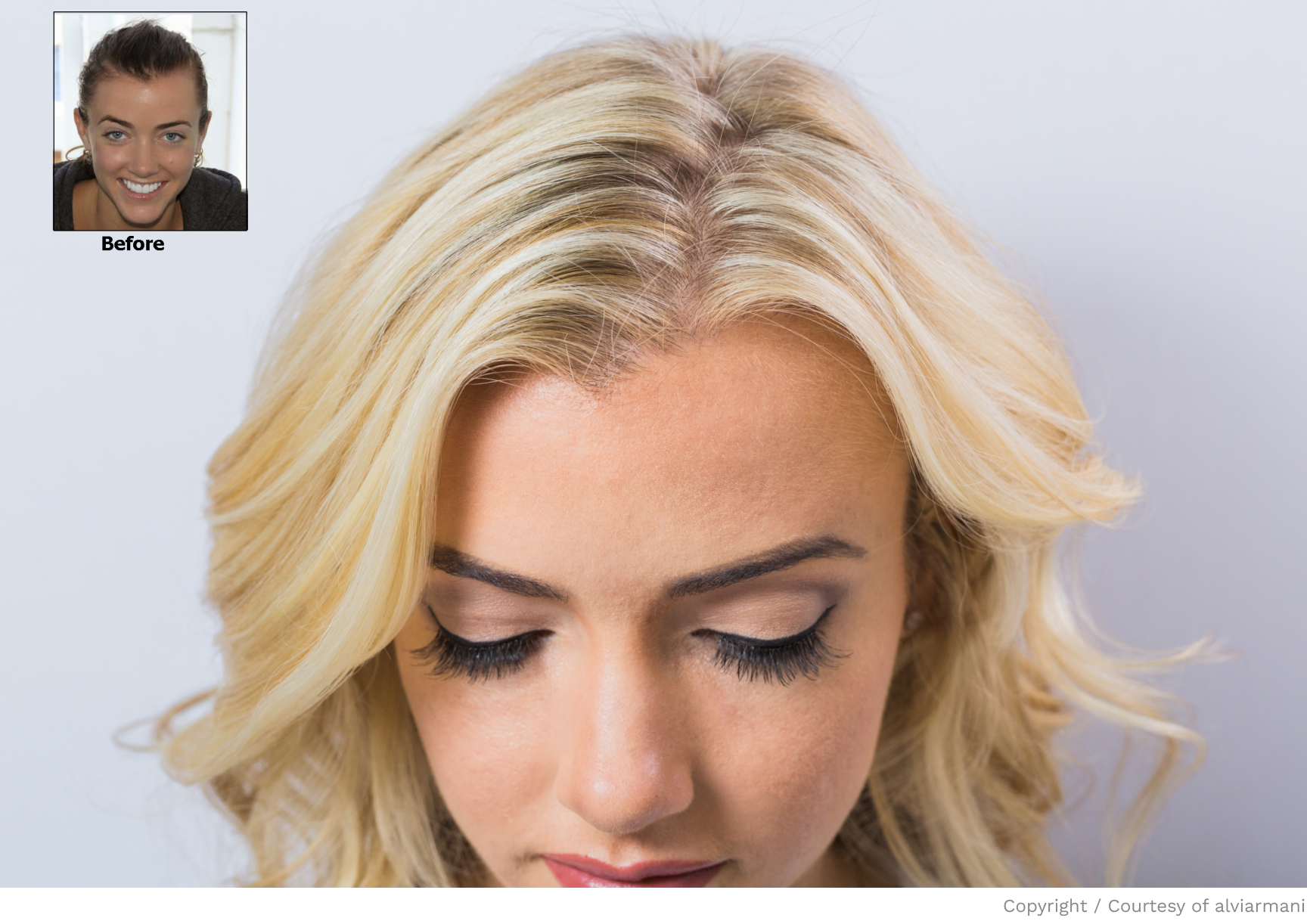
It is critical to do research before you select a clinic. Not all hair clinics do hair transplant for women. Look at the credentials of the doctors, reviews from patients, and before/after photos. If you meet with the doctor and don’t feel confident in their skill or hair design, consider trying a different location. Female hair transplantation should result in natural looking hair.
Related Articles
SEE ALL
Why Women Delay Permanent Hair Decisions — Even When They’re Already Certain
by Her Hair Health December 16, 2025

Hair Transplants for Women: Achieving the Hairline You Desire With the FUE Hair Transplant Procedure
by Stephanie Garcia
May 20, 2024

Stay Trending
Join our newsletter for expert tips, emerging trends, and our latest research on all things women’s hair loss, and more.